Select how you’d like to proceed with your insurance needs.
Talk to a real insurance expert on your time.
15-minutes consultation with licensed advisors
Perfect if you’re unsure about coverage needs
Get personalised recommendations
Already have coverage? Let’s simplify your service
Keep your current carriers & policies
Simple digital authorisation process
Seamless transition to better service
What insurance do electricians need in Australia? PL required for licensed contractors in some states. Check state rules, QLD consumer protection, tools, costs, and claims.
Business insurance costs $70 to $150 per month for most Australian small businesses. See 2026 costs by product, occupation, business size and cover level.
Insurance for therapists in Australia explained. Key risks, real claim examples, PACFA, ATMS, ACA minimums, costs, exclusions and how to choose cover.
In most Australian contexts, employers liability insurance refers to workers compensation. What it covers, state schemes, and the gaps.
Public liability insurance covers your business if a third party (a customer, supplier, or member of the public) claims they were injured or their property was damaged because of your business activities. It may help cover the legal defence costs and any compensation awarded, subject to policy terms.
What are the requirements to become a cosmetic tattoo artist in Australia. This checklist covers every requirement you need to meet, organised into four phases: Learn, Register, Set Up, and Operate.
NDIS support worker insurance from $30-$40/month depending on practice type, what drives your premium, how to reduce it, and the vehicle cover gap.
Yes, therapists need public liability insurance in Australia. Check what it covers, real claim examples, cost ranges, and how to bundle with PI for full cover.
Do you need public liability insurance? Quick answers by profession. What PL covers, what it costs, and who requires a Certificate of Currency.
Professional indemnity insurance costs $40 to $250 per month in Australia. See 2026 costs by profession, cover level, excess and how to reduce your premium.
Why personal trainers need PI insurance in Australia. Dietary advice limits, virtual coaching liability, claims-made cover, and 2026 costs from $200/year.
Most commercial clients and property managers require a minimum of $10 million, and often $20 million, in public and products liability insurance before permitting on-site work.
For mixed-use vehicles or sole traders, registering in your personal name is usually the better option. It avoids FBT entirely, keeps state registration costs lower, and still allows you to claim business use
Opening a bank account takes 10 to 30 minutes online and 1 to 3 business days to activate. You need an ABN, personal ID, and your business registration documents.
How to become an office cleaner in Australia. No qualifications needed. Steps: police check, resume, apply or start your own business with this guide.
Yes, if you're a sole trader you can use a personal bank account for business in Australia. But here's why you probably shouldn't, and when you must separate.
A qualified carpenter earns $80,000 to $95,000 per year as an employee. Self-employed subcontractors charge $55 to $130 per hour but net significantly less after costs.
Looking for business objectives examples? 50 copy-and-paste SMART goals for small businesses, sorted by finance, sales, marketing, team, and growth.
Cleaners insurance and cleaning business insurance in Australia. What each cleaning type needs, what it costs, and how to get a Certificate of Currency.
Who needs PI insurance in Australia: legally required professions, industry body requirements, contract demands, and who should hold it regardless.
Yes, carpentry is profitable. Solo operators net $85,000-$110,000/year after expenses. It's a $15.9B industry, 50K+ businesses. Breakdown by service type.
How to get an ABN in Australia: who needs one, what you need, how to apply with the ATO, what to do after, and how to keep it active.
Plumbing business owners net $95,000-$130,000/year. Employee vs owner earnings, what businesses charge by service type, and 2026 data from SEEK and Indeed.
Public liability insurance for cleaners from around $30-$50/month for sole traders. What it covers, claims examples, cover levels and who requires it.
Startup insurance in Australia: which covers become relevant at each stage, from first client to first investor. Public liability, PI, cyber, D&O and the full stack.
Startup insurance due diligence: what investors may review before funding, which documents to prepare, Directors and Officers cover, cyber evidence and deal-ready timing.
Fintech insurance in Australia: how your licensing model determines cover, RG 126 PI for AFS licensees, fintech cyber exposure, costs by stage and partner requirements.
Startup founder insurance explained: personal director duties, what D&O may cover, common exclusions, D&O vs management liability, and when growing companies assess it.
Startup business insurance costs in Australia between $80 and $1,500 per month depending on their needs: check typical ranges by cover type and stage, what drives the premium.
Professional indemnity insurance covers startups against financial loss claims from clients. It's often required by contracts or for licensing.
Learn what Software startup insurance in Australia is, know about Tech PI, cyber, SLA exposure, implementation risk and the covers SaaS companies assess for enterprise deals.
Learn when a startup should assess insurance in Australia, from first client work and data collection to hiring, premises, enterprise contracts and funding.
See EPL insurance claims examples for Australian businesses, including unfair dismissal, discrimination, harassment and bullying, plus what to do next.
Tech PI covers claims that your tech work caused a client financial loss. Cyber covers breach response and incident costs. How they differ and where they overlap.
Tech professional indemnity insurance may help cover claims from software errors, project failures, data issues, and client financial loss. How it works.
What insurance does an Australian startup need? Cover by stage, from first client to first investor, including PL, PI, D&O, cyber, and management liability.
Commercial motor insurance may cost from around $1,200 per vehicle per year. See cost ranges by vehicle type, what drives the price and how to get a quote.
Commercial motor insurance may cover business vehicles for accidents, theft, fire, storm, glass and third-party property damage. See what is and is not covered.
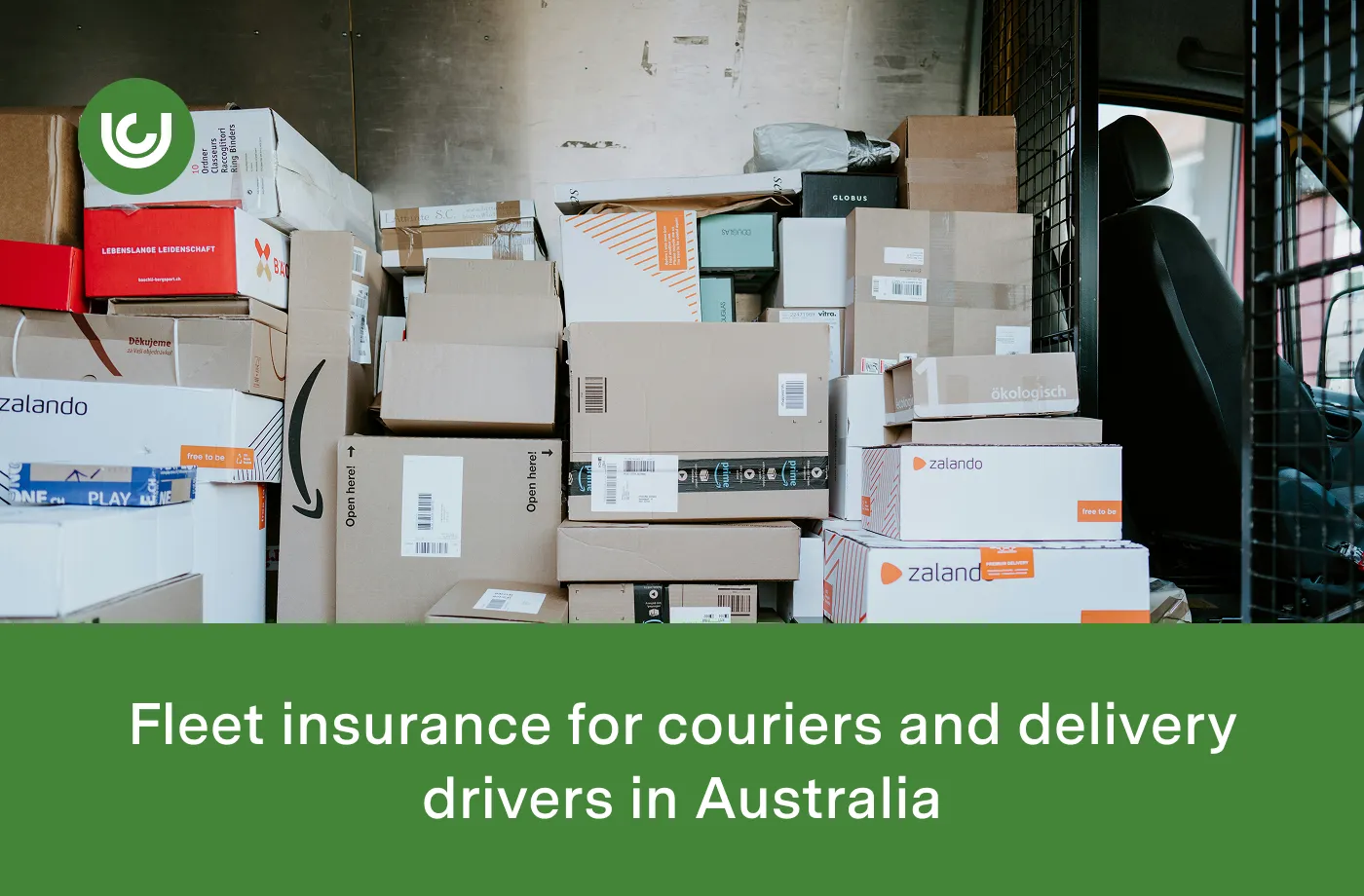
Courier fleet insurance may cover delivery vehicles, parcels, public liability and downtime risks. What courier fleets should check and how to get a quote.
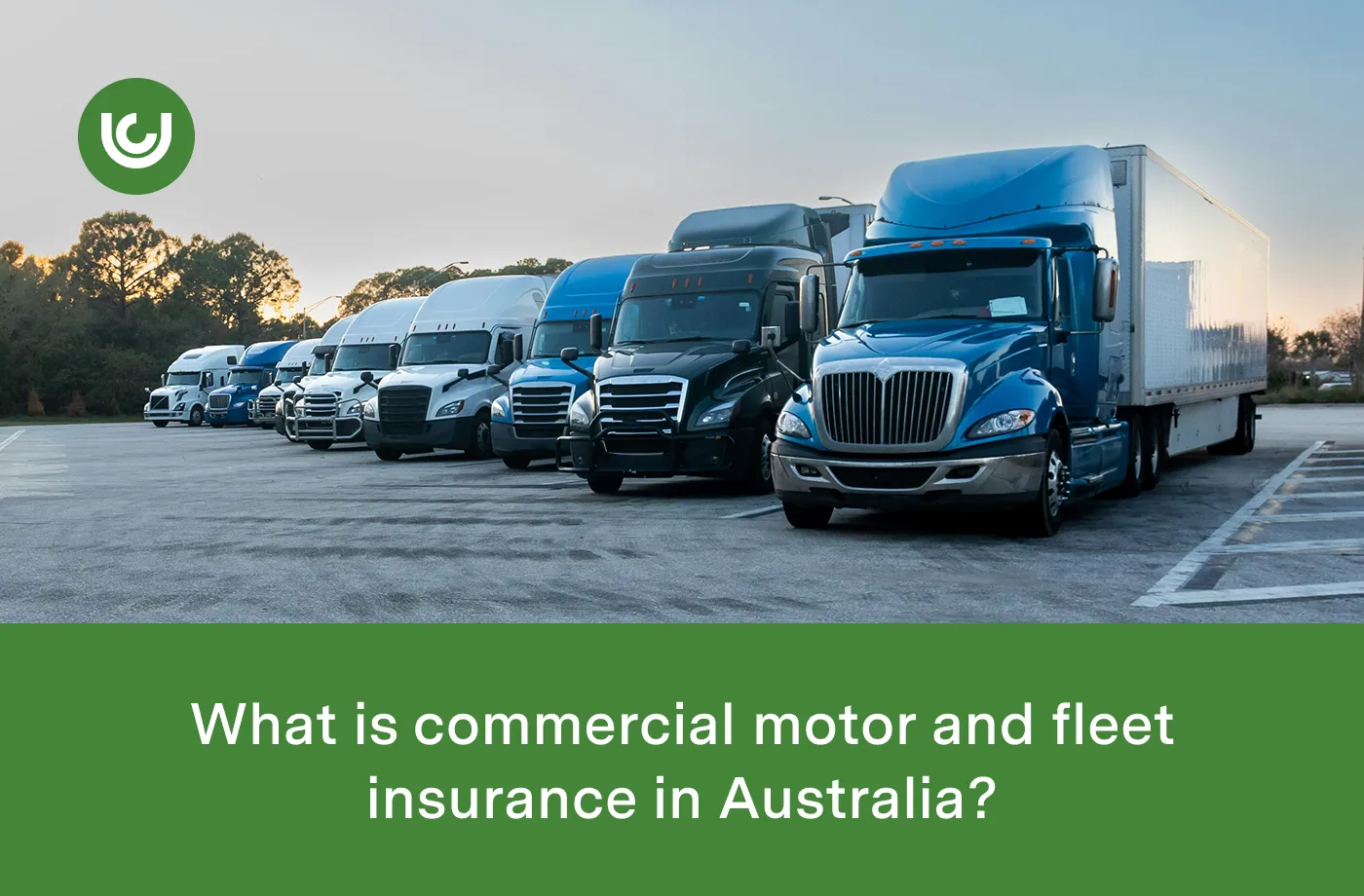
What is commercial motor and fleet insurance? Learn how it protects Australian business vehicles, what it covers, fleet thresholds, and how to get a quote.
We are digitising commercial insurance and risk management for small, mid-market and technology businesses. We work with a global network of underwriters, challenging legacy brokers and delivering market leading coverage to our customers.