Small Businesses
Tech Companies
Motor & Fleet

Public & Products Liability

Public & Products Liability Insurance

Cover for third party injury, property damage and product liability claims with Public Liability insurance.

— The basics

What is Public & Products Liability Insurance

Public Liability insurance and Products Liability insurance help protect your business if someone is injured, property is damaged, or a product you sell causes harm. 

— Why it matters

Why is it important?

Accidents happen. Claims can be expensive and time consuming. This cover can help with compensation and legal defence costs for covered claims arising from third party injury or property damage, so one incident doesn’t derail your business.

— The Basics

What is

Public & Products Liability

Public Liability insurance and Products Liability insurance help protect your business if someone is injured, property is damaged, or a product you sell causes harm. 

— Why it Matters

Why is it important?

Accidents happen. Claims can be expensive and time consuming. This cover can help with compensation and legal defence costs for covered claims arising from third party injury or property damage, so one incident doesn’t derail your business.

70,000+

Businesses

4.9/5

Customer Rating

80+

Insurance Partners

upcover white logo

Businesses covered

Choose from over 1,000+ business types

upcover logo

Coverage highlights

What is usually covered under Public & Products Liability insurance

Here’s what this policy typically helps with. Exact cover depends on your insurer and policy wording.

Smart digital process Direct market access
Public Liability

Designed to protect your business if a third party is injured or their property is damaged because of your work or premises in Australia and you are legally liable to pay compensation and any settlement.

Legal Costs

Coverage for legal costs to defend a covered claim against your business, policy limits apply.

Loading & Unloading of Registered Vehicles

Cover for third party injury or property damage caused while loading or unloading goods from a registered vehicle during your business activities, limits apply.

Care, Custody & Control

Cover for loss or damage to a customer's property that is in your possession or control.

Products Liability

Designed to cover claims where products you make, sell or supply cause third party injury or property damage and you are legally liable to pay compensation and any settlement.

upcover logo

Claims examples

Common Public & Products Liability insurance claims

Simple, real-world examples to help you better understand how coverage might work with this policy.

Damage in your care item
SCENARIO

You agree to store a client’s furniture while you paint their home. During storage, a table is knocked over and the timber top cracks. The client claims you damaged their property while it was in your control.

WHY IT’S COVERED

Care, custody and control coverage is designed to help cover damage to a customer’s property while it’s under your control, subject to policy limits.

Public injury claim case
SCENARIO

A tool slips from scaffolding and hits a pedestrian walking past your worksite. They need medical treatment. They send you a letter of demand claiming lost income due to your negligence as you didn’t make the area safe.

WHY IT’S COVERED

Public Liability is designed to help if you’re legally liable for injury to a member of the public, if covered the policy will pay compensation and any settlement payment and your legal defence costs, up to your policy limit.

Accidental client damage
SCENARIO

A tradie is installing a wall fixture at a customer’s shop. They drill into a hidden water pipe. Water floods the floor and damages cabinetry and stock. The customer sends you the repair bill and says you must pay.

WHY IT’S COVERED

Public Liability is designed to help if you’re legally liable for accidental damage to someone else’s property, including defence costs.

Loading/unloading damage
SCENARIO

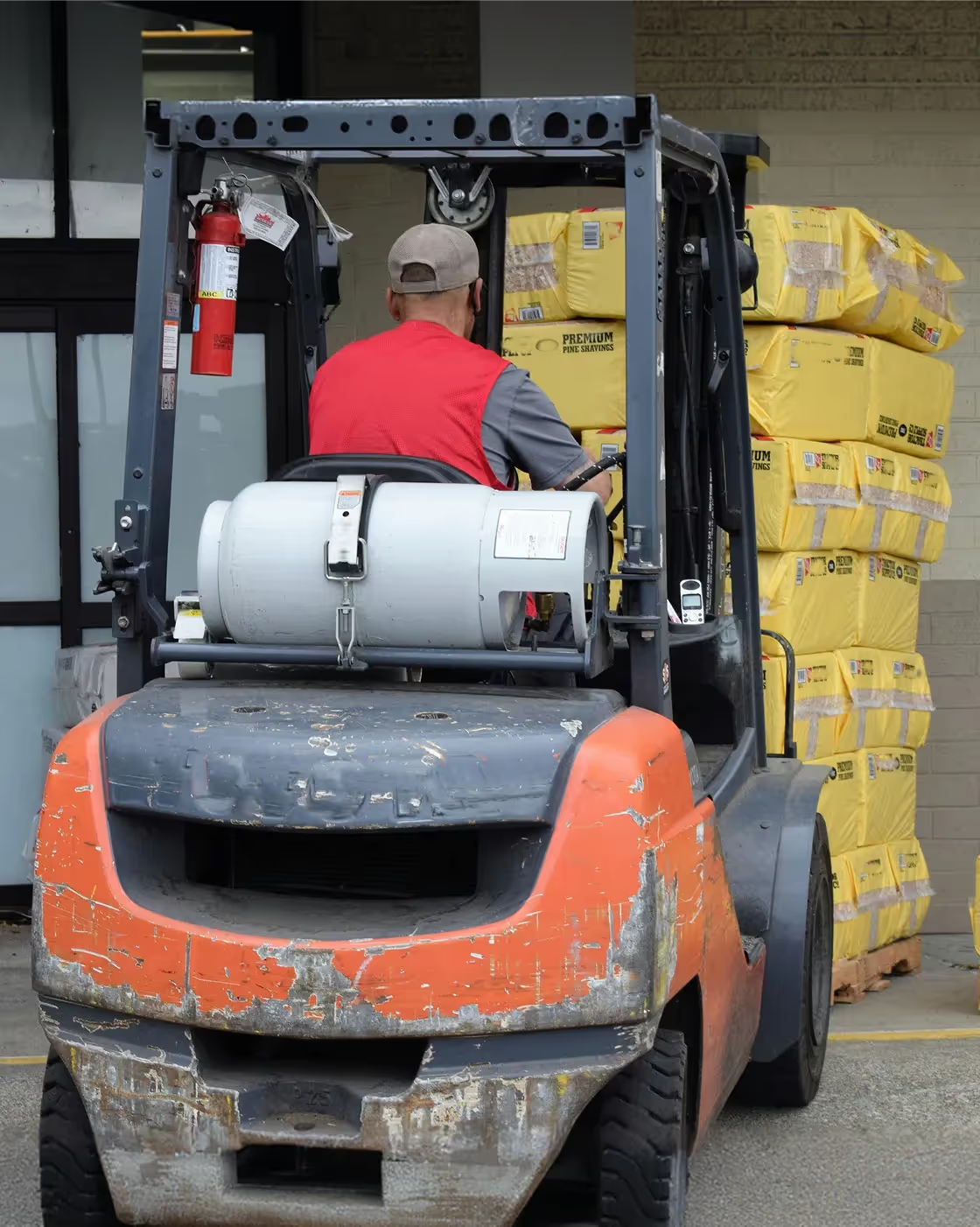
While unloading materials from a registered ute at a job site, a heavy box slips off the tailgate and dents a nearby parked car. The car owner asks you to pay for repairs and hire car costs, because you caused the damage.

WHY IT’S COVERED

Public Liability insurance typically includes cover for third party damage caused during loading or unloading of a registered vehicle.

SCENARIO

A support worker gave a participant the wrong medication due to a mislabeled pillbox. The participant experienced severe drowsiness and dehydration, requiring overnight hospitalization.

IS THIS COVERED?

Costs included $8,200 for hospital and rehabilitation, $12,500 for legal defence, and a $7,500 settlement to resolve the claim out of court.

Manual handling damage

SCENARIO

A support worker gave a participant the wrong medication due to a mislabeled pillbox. The participant experienced severe drowsiness and dehydration, requiring overnight hospitalization.

WHY IT'S EXCLUDED

Costs included $8,200 for hospital and rehabilitation, $12,500 for legal defence, and a $7,500 settlement to resolve the claim out of court.

SCENARIO

A support worker gave a participant the wrong medication due to a mislabeled pillbox. The participant experienced severe drowsiness and dehydration, requiring overnight hospitalization.

WHY IT'S EXCLUDED

Costs included $8,200 for hospital and rehabilitation, $12,500 for legal defence, and a $7,500 settlement to resolve the claim out of court.

SCENARIO

You agree to store a client’s furniture while you paint their home. During storage, a table is knocked over and the timber top cracks. The client claims you damaged their property while it was in your control.

IS THIS COVERED?

Care, custody and control coverage is designed to help cover damage to a customer’s property while it’s under your control, subject to policy limits.

Damage in your care item
SCENARIO

A tool slips from scaffolding and hits a pedestrian walking past your worksite. They need medical treatment. They send you a letter of demand claiming lost income due to your negligence as you didn’t make the area safe.

IS THIS COVERED?

Public Liability is designed to help if you’re legally liable for injury to a member of the public, if covered the policy will pay compensation and any settlement payment and your legal defence costs, up to your policy limit.

Public injury claim case
SCENARIO

A tradie is installing a wall fixture at a customer’s shop. They drill into a hidden water pipe. Water floods the floor and damages cabinetry and stock. The customer sends you the repair bill and says you must pay.

IS THIS COVERED?

Public Liability is designed to help if you’re legally liable for accidental damage to someone else’s property, including defence costs.

Accidental client damage
SCENARIO

While unloading materials from a registered ute at a job site, a heavy box slips off the tailgate and dents a nearby parked car. The car owner asks you to pay for repairs and hire car costs, because you caused the damage.

IS THIS COVERED?

Public Liability insurance typically includes cover for third party damage caused during loading or unloading of a registered vehicle.

Loading/unloading damage
info icon

Important: Scenarios are examples only. Coverage is subject to policy terms, conditions and exclusions. Limits and sub-limits might apply. Policy wordings vary between insurers. Refer to the PDS or Policy Wording for details.

upcover white logo

Benefits

Why businesses trust upcover

Get quotes in minutes, adjust your cover as your business evolves, and lean on expert support to help you make confident insurance decisions.

upcover logo

Who it’s for

Who needs Public & Products Liability insurance?

Types of businesses who might be contractually required or recommended to take out this insurance.

GET INSTANT QUOTE
Smart digital process Direct market access
Manufacturers and wholesalers

If you make or supply goods, product claims can be costly. Products Liability insurance can help if your product causes injury or damage and Public Liability insurance can help cover third party incidents at your premises.

Cafes and takeaway food

Spills, hot drinks and crowded counters can lead to claims. Public Liability insurance is intended to protect you and your business if a customer is injured or property is damaged on your premises, while Products Liability is designed to cover claims if food or drinks cause injury or illness.

Events and market sellers

Pop-up stalls and events bring people close to your setup. Public Liability coverage can help if someone trips on cables or signage and Products Liability insurance is designed to cover claims if goods you sell or your market stall causes injury or damage.

Retail shops and stores

Busy stores mean higher foot traffic. Public Liability coverage can help if a customer is injured on your premises and Products Liability insurance can help cover claims from items you sell that cause harm.

Trades and contractors

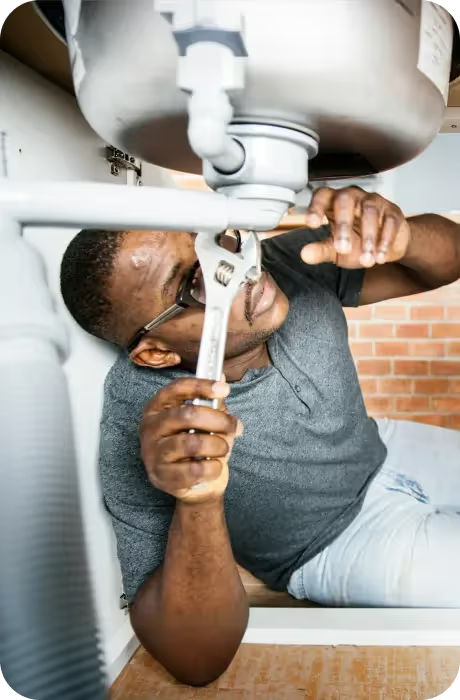
Work sites can be dangerous. Public Liability insurance can help if someone is injured or property is damaged because of your work, while Products Liability can help for items you supply.

upcover logo

Exclusions

Typical exclusions under Public & Products Liability insurance?

Common examples of what is generally outside cover. Check the insurer policy wording to confirm the details.

Crash in registered ute
SCENARIO

On the way to a job site, you rear end another car in your registered ute at a set of lights. The other driver has whiplash and their boot is crushed. They claim medical costs and repairs and name your business in the demand.

WHY IT’S COVERED

Liability arising from using a registered motor vehicle is excluded under a Public Liability policy, as this type of loss is covered under other insurance policies, such as commercial motor vehicle insurance and Compulsory Third Party (CTP) cover.

Paid advice goes wrong
SCENARIO

You’re paid to design a small retaining wall for a customer and provide the plans to a contractor. The wall later fails causing property damage to your client. The client claims your design advice was wrong and asks you to cover the repair costs.

WHY IT’S COVERED

Claims from professional advice or services for a fee are usually excluded under a Public Liability policy. You require Professional Indemnity insurance if you are providing advisory services.

Dishonest or wilful act
SCENARIO

A contractor on your team has a dispute with a client over payment. Out of frustration, they deliberately damage materials on site before leaving. The client claims against your business for the damage and lost time.

WHY IT’S COVERED

Claims arising from dishonest, fraudulent or wilful acts are excluded. Liability cover is for accidental damage, not deliberate acts.

Faulty work redo costs
SCENARIO

You install custom shelving for a shop. A week later it pulls away from the wall because the fixings were wrong. Shelves collapse, damaging the client’s stock. They demand you pay to redo the work and replace the damaged items.

WHY IT’S COVERED

Public Liability won’t cover the cost to re-do, correct or improve your work or fix defects, but it may cover resulting damage to the client’s stock.

SCENARIO

A support worker gave a participant the wrong medication due to a mislabeled pillbox. The participant experienced severe drowsiness and dehydration, requiring overnight hospitalization.

WHY IT'S EXCLUDED

Costs included $8,200 for hospital and rehabilitation, $12,500 for legal defence, and a $7,500 settlement to resolve the claim out of court.

Manual handling damage

SCENARIO

A support worker gave a participant the wrong medication due to a mislabeled pillbox. The participant experienced severe drowsiness and dehydration, requiring overnight hospitalization.

WHY IT'S EXCLUDED

Costs included $8,200 for hospital and rehabilitation, $12,500 for legal defence, and a $7,500 settlement to resolve the claim out of court.

SCENARIO

A support worker gave a participant the wrong medication due to a mislabeled pillbox. The participant experienced severe drowsiness and dehydration, requiring overnight hospitalization.

WHY IT'S EXCLUDED

Costs included $8,200 for hospital and rehabilitation, $12,500 for legal defence, and a $7,500 settlement to resolve the claim out of court.

SCENARIO

On the way to a job site, you rear end another car in your registered ute at a set of lights. The other driver has whiplash and their boot is crushed. They claim medical costs and repairs and name your business in the demand.

WHY IT'S EXCLUDED

Liability arising from using a registered motor vehicle is excluded under a Public Liability policy, as this type of loss is covered under other insurance policies, such as commercial motor vehicle insurance and Compulsory Third Party (CTP) cover.

Crash in registered ute
SCENARIO

You’re paid to design a small retaining wall for a customer and provide the plans to a contractor. The wall later fails causing property damage to your client. The client claims your design advice was wrong and asks you to cover the repair costs.

WHY IT'S EXCLUDED

Claims from professional advice or services for a fee are usually excluded under a Public Liability policy. You require Professional Indemnity insurance if you are providing advisory services.

Paid advice goes wrong
SCENARIO

A contractor on your team has a dispute with a client over payment. Out of frustration, they deliberately damage materials on site before leaving. The client claims against your business for the damage and lost time.

WHY IT'S EXCLUDED

Claims arising from dishonest, fraudulent or wilful acts are excluded. Liability cover is for accidental damage, not deliberate acts.

Dishonest or wilful act
SCENARIO

You install custom shelving for a shop. A week later it pulls away from the wall because the fixings were wrong. Shelves collapse, damaging the client’s stock. They demand you pay to redo the work and replace the damaged items.

WHY IT'S EXCLUDED

Public Liability won’t cover the cost to re-do, correct or improve your work or fix defects, but it may cover resulting damage to the client’s stock.

Faulty work redo costs
info icon

Important: These scenarios are examples only. Policy exclusions may differ between insurers and policy wordings. Limits and sub-limits might apply. Always refer to your specific policy wording for complete details.

upcover logo

Price factors

Factors affecting cost of Public & Products Liability insurance

Your premium is based on your details and the cover options you choose. There is no one set price for every business.

What Affects your Public & Products Liability Insurance premium?

Business type

Your work affects your risk. Higher-risk trades, food businesses, or those working at public sites may pay more than low-risk office-based work, as claims can be more frequent and costly.

Revenue

Insurers often use revenue as an indication of your activity level and risk. More sales can mean more jobs, customers and products, which can increase your premium.

Cover limit

Your chosen cover limit directly impacts your premium. Higher limits provide greater financial protection but can cost more.

Claims history

Past claims matter. Frequent claims, recent claims, or large losses may result in higher premiums or excess amounts. A clean history can help reduce your premium over time.

upcover logo

Explore more

Other cover types

Browse from a range of cover types to match your business’ unique needs.

Tools of trade

Covers theft, damage or loss to work tools and equipment incl power tools, machinery and laptops

GET INSTANT QUOTE
TALK TO AN EXPERT
START A QUOTE
Tax Audit

Covers professional costs in responding to a tax audit or tax dispute, this does not cover any tax penalty

GET INSTANT QUOTE
TALK TO AN EXPERT
START A QUOTE
Commercial Motor Fleet

Covers business vehicles for damage to your vehicle or a third party’s, property damage or injuries to others (excl CTP)

GET INSTANT QUOTE
TALK TO AN EXPERT
START A QUOTE
Professional Indemnity

Covers negligence claims from third parties to help protect your business from professional errors

GET INSTANT QUOTE
TALK TO AN EXPERT
START A QUOTE
upcover logo

FAQs

Public & Products Liability insurance queries

How do I make a claim?

addminus
You should notify your insurer as soon as you become aware of a claim or circumstance that may give rise to a claim which could include a client complaint, you discovering an incident or an allegation of harm. Claims should be made in writing and handled in line with the claims notification requirements which will be outlined in your policy wording.
Learn More

How do I make a claim?

add

What is a Certificate of Currency?

addminus
A Certificate of Currency is issued by an insurance company and is something you can use as proof that your existing insurance policy is valid. It contains all the information regarding your policy. You may be asked from time to time to prove your insurance - for loans to your business, for landlords of your premises, or for certain clients you might have. The moment you purchase your insurance from upcover you can send your proof of insurance to whoever requires it, at just a click of a button.
Learn More

What is a Certificate of Currency?

add

How quickly do I need to report an incident to my insurer?

addminus
You should notify your insurer as soon as you become aware of any incident, claim, or circumstance that may give rise to a claim. Professional Indemnity insurance typically operates on a "claims made and notified" basis, meaning both the claim must be made against you AND you must notify the insurer during the active insurance period (or discovery period if applicable). Late notification after policy expiry may not be covered unless you have purchased an extended discovery period. Prompt notification is essential to protect your rights under your insurance.
Learn More

How quickly do I need to report an incident to my insurer?

add

What is a retroactive date?

addminus
A retroactive date is the earliest date from which a claim can arise and still be covered under your policy. Professional Indemnity and certain other claims-made policies will only respond to claims arising from acts, errors or omissions that occurred on or after the retroactive date listed in your policy schedule. If an incident occurred before your retroactive date, it typically will not be covered even if the claim is made during the current policy period. Maintaining continuous cover without gaps helps protect your retroactive date — check your policy schedule or ask your broker if you are unsure of your retroactive date.
Learn More

What is a retroactive date?

add
upcover logo

Blogs

From our blog

Coverage, risk management and compliance, explained in plain English.

VIEW MORE
VIEW MORE

We are digitising commercial insurance and risk management for small, mid-market and technology businesses. We work with a global network of underwriters, challenging legacy brokers and delivering market leading coverage to our customers.