Select how you’d like to proceed with your insurance needs.
Talk to a real insurance expert on your time.
15-minutes consultation with licensed advisors
Perfect if you’re unsure about coverage needs
Get personalised recommendations
Already have coverage? Let’s simplify your service
Keep your current carriers & policies
Simple digital authorisation process
Seamless transition to better service
Air conditioning HVAC installers pay $308 to $1,126 a year for public liability. Add electrical, plumbing or refrigeration work and it climbs. See why.
Check restaurant and cafe insurance costs, why liability-only quotes differ from business packs, and which cover sections a venue may need.
Real prices from 380+ policies: most businesses pay $665 to $2,112 a year for a business pack. See why some pay $200 and others pay thousands.
What courier insurance covers in Australia: your vehicle, the goods you carry, your liability and what contracts require. Plus what moves the cost.
Hairdressers pay $362 to $448 a year, or about $35 a month. See what it covers, why chair renters need their own, and what barbershops pay.
Yoga teachers pay $295 to $482 a year, or about $30 a month. See what yoga insurance covers, what it doesn't, and when a venue will ask for proof.
Makeup artists typically pay $346 to $447 a year for combined PI and public liability, based on a review of makeup artist policies arranged by upcover.
Therapist is not one profession in Australia. What each type needs, how each is regulated, and cost examples by profession, from psychology to reflexology.
Your personal car policy won't cover paid delivery work. What delivery drivers need in Australia, by platform, vehicle type and payment option.
Yes, disability support work is usually PSI. The ATO tests what you can and can't deduct, your industry code, and the insurance sole traders need.
Do support workers need business use car insurance to drive clients? What a personal policy may not cover, and when commercial motor insurance applies.
Workers compensation insurance is compulsory for Australian employers. What it covers, how a claim works, industry classifications, and how to arrange cover.
11 carpentry marketing tips to grow your business: Google, reviews, referrals, project photos, online advertising, etc. Plus how to set a budget.
A qualified carpenter earns $80,000 to $95,000 per year as an employee. Self-employed subcontractors charge $55 to $130 per hour but net significantly less after costs.
What insurance a physical shop needs in Australia: what the lease requires, how to insure stock properly, glass and theft cover, and what policies may not cover.
Workers compensation insurance costs most employers around 1% to 2% of wages. See 2026-27 state rates, per-employee examples and how to estimate yours.
Sole traders have no separate business entity, so personal assets may be exposed to a claim. What public liability costs by occupation, and the legal rules.
Beauty therapists pay $362 to $405 a year and salons around $377. Cosmetic tattoo lifts it to $512, skin needling to $908. Real upcover policy data.
Public liability insurance for cleaners from $24/month, with most paying $38 to $70. Real upcover premium data, cover levels and claim examples.
See when professional indemnity insurance is required in NSW, what clients check, and how eligible small businesses may qualify for a duty exemption.
See which insurance may be compulsory for a NSW small business, what cover fits your operations, and how the NSW small business duty exemption works.
Public liability insurance in NSW: when it is required, common $10m and $20m limits, what your certificate must show, and the duty exemption.
Concreter insurance costs $1360/year depending on the work you do. See the split by sole trader, commercial and pumping, plus what tools cost.
Air conditioning HVAC installers pay $308 to $1,126 a year for public liability. Add electrical, plumbing or refrigeration work and it climbs. See why.
Find out what Management Liability Insurance is and what it covers to protect your business. upcover offers customized solutions to ensure you have the right coverage for your specific needs.
How much cyber insurance do you need? Learn how Australian SMEs can calculate the right policy limit based on revenue, downtime, and hidden sublimits.
Discover key cyber insurance requirements in Australia. Learn what underwriters check like MFA and backups and how to prepare for your next renewal.
Business email compromise is a major cyber claim risk. When cyber insurance may cover BEC, where the gaps are, and what to check in your policy.
Why do cyber insurance claims fail? Explore the top reasons for denial in Australia and how businesses can protect their coverage with upcover.
What is cyber insurance and what does it cover? First-party and third-party cover, real claim examples, exclusions, costs, and who needs it in Australia.
Compare the main types of business insurance in Australia and see which cover may apply based on your staff, contracts, customers, assets, vehicles and business risks.
Before buying cyber insurance, check how the policy responds to BEC, ransomware, sublimits, business interruption, exclusions, and claims support.
Learn the difference between professional indemnity and public liability insurance, what each may cover, and when Australian businesses may need PI, PL, or both.
Choosing professional indemnity insurance? Use this checklist to compare claims-made cover, retroactive dates, exclusions, run-off, limits, and policy details.
The insured vs insured exclusion in D&O insurance for Australian businesses: carve-backs, real-world scenarios, and what to check in your policy.
See how cyber insurance works, what it may cover, common exclusions, Australian data breach rules and what insurers check before offering cover.
Commercial vehicle insurance in Australia may cost from around $1,200 a year per vehicle. Indicative ranges, fleet costs and what moves the price.
Commercial vehicle insurance may cover damage, theft, fire and third-party property damage. What is core cover, what is optional, what is separate.
Courier fleet insurance may combine commercial motor, goods in transit and public liability. What courier businesses need, and what to check.
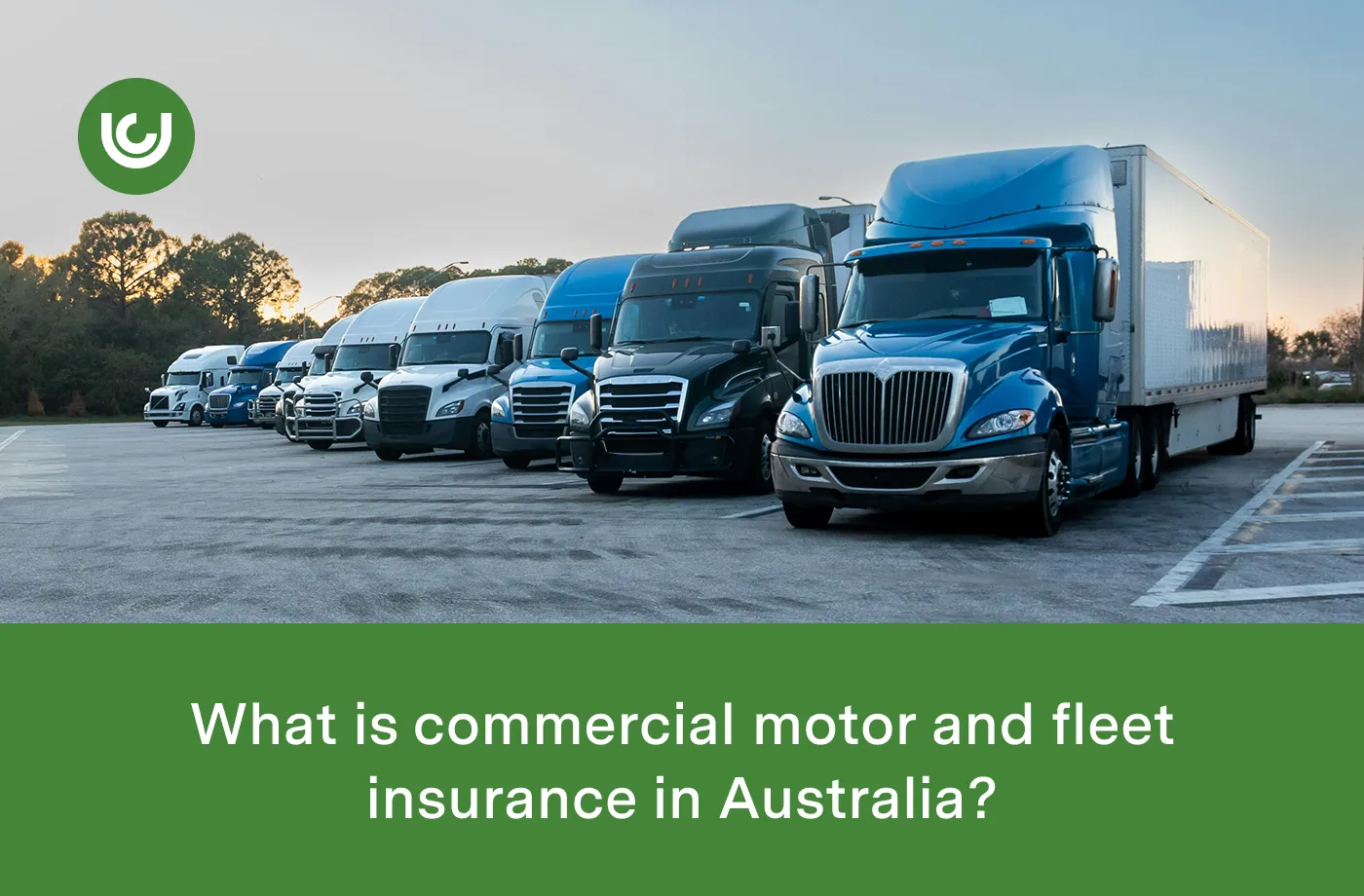
Fleet vehicle insurance is commercial motor cover for multiple vehicles. How it works, how many vehicles count as a fleet, and what it may and may not cover.
We are digitising commercial insurance and risk management for small, mid-market and technology businesses. We work with a global network of underwriters, challenging legacy brokers and delivering market leading coverage to our customers.