Select how you’d like to proceed with your insurance needs.
Talk to a real insurance expert on your time.
15-minutes consultation with licensed advisors
Perfect if you’re unsure about coverage needs
Get personalised recommendations
Already have coverage? Let’s simplify your service
Keep your current carriers & policies
Simple digital authorisation process
Seamless transition to better service
If your SaaS relies on OpenAI, Anthropic or Google, a provider outage may still reach your customers. See when Tech PI or cyber insurance may be relevant.
Enterprise customers often ask SaaS vendors for Tech PI, cyber and a certificate of currency. Learn what the schedule means and what to check first.
Business interruption insurance explained: the business pack section, what it may cover, the indemnity period, common exclusions and records for a claim.
Public liability insurance for carpenters starts from around $58 per month. Check what may affect the price, how limits, excess and paying monthly work and the details to have ready for a quote.
What affects the cost of business insurance in Australia, and how limits, excess, sum insured, paying monthly and a business pack may change the premium.
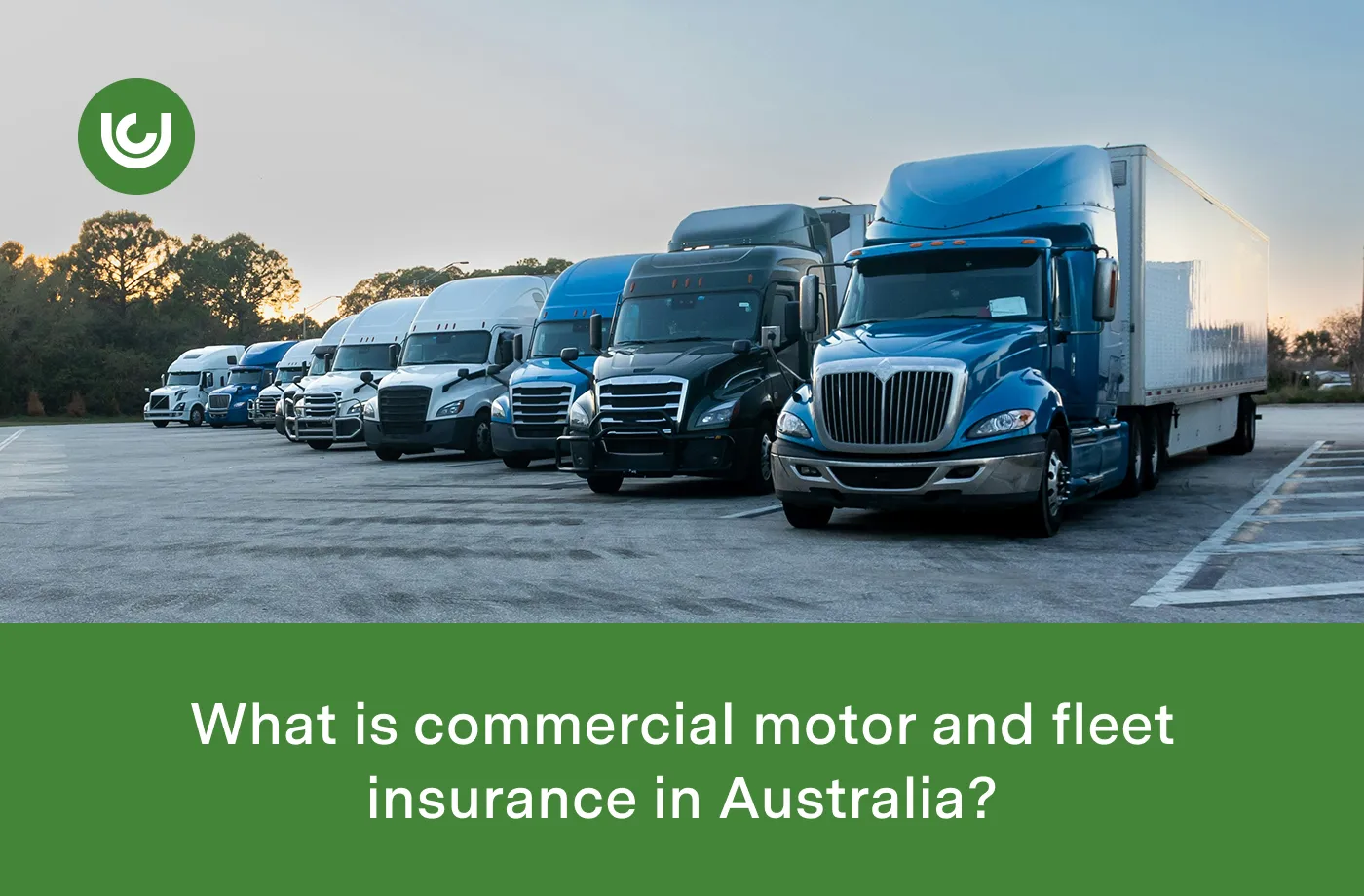
Commercial motor and fleet insurance explained: what it may cover, how fleet and single-vehicle policies differ, how CTP fits in and common exclusions.
A solo carpenter brings in $138,000 to $230,000 a year in revenue. That assumes 3 to 5 billable days a week at an average of $1,000 invoiced per day, over 46 working weeks.
Start a carpentry business in Australia in 10 steps: state licence rules, Certificate III, white card, ABN, GST, insurance planning, pricing and hiring.
Yes, sole traders can use a personal bank account for business. Partnerships, companies and trusts can't. See the ATO rules, records to keep and when to switch.
Window cleaner insurance explained: public liability, tools and income cover, whether the glass you clean is covered and how heights affect your policy.
Tool insurance for tradies explained by trade, plus theft from a ute or van, specified and unspecified tools and the proof that may support a claim.
What insurance does a carpenter need? Public liability, tools of trade, commercial motor, personal accident and workers' compensation by business setup.
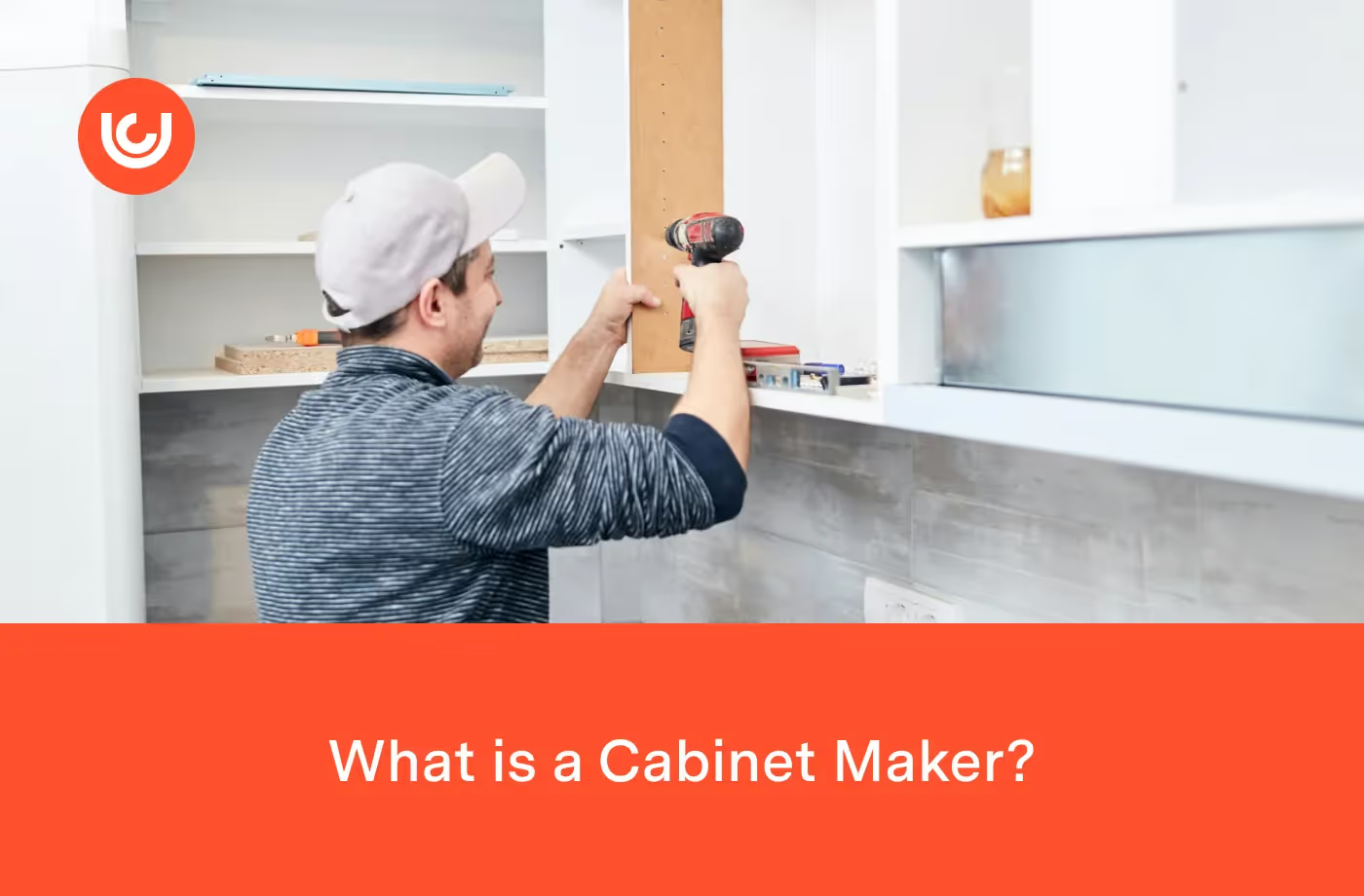
A cabinet maker designs, builds, installs, and repairs custom cabinetry, furniture, and timber fixtures for homes and businesses. Check their salary, how to become one and what insurance you need for your own cabinet business.
For mixed-use vehicles or sole traders, registering in your personal name is usually the better option. It avoids FBT entirely, keeps state registration costs lower, and still allows you to claim business use
Opening a bank account takes 10 to 30 minutes online and 1 to 3 business days to activate. You need an ABN, personal ID, and your business registration documents.
How to become an office cleaner in Australia. No qualifications needed. Steps: police check, resume, apply or start your own business with this guide.
Looking for business objectives examples? 50 copy-and-paste SMART goals for small businesses, sorted by finance, sales, marketing, team, and growth.
Who needs PI insurance in Australia: legally required professions, industry body requirements, contract demands, and who should hold it regardless.
How to get an ABN in Australia: who needs one, what you need, how to apply with the ATO, what to do after, and how to keep it active.
Plumbing business owners net $95,000-$130,000/year. Employee vs owner earnings, what businesses charge by service type, and 2026 data from SEEK and Indeed.
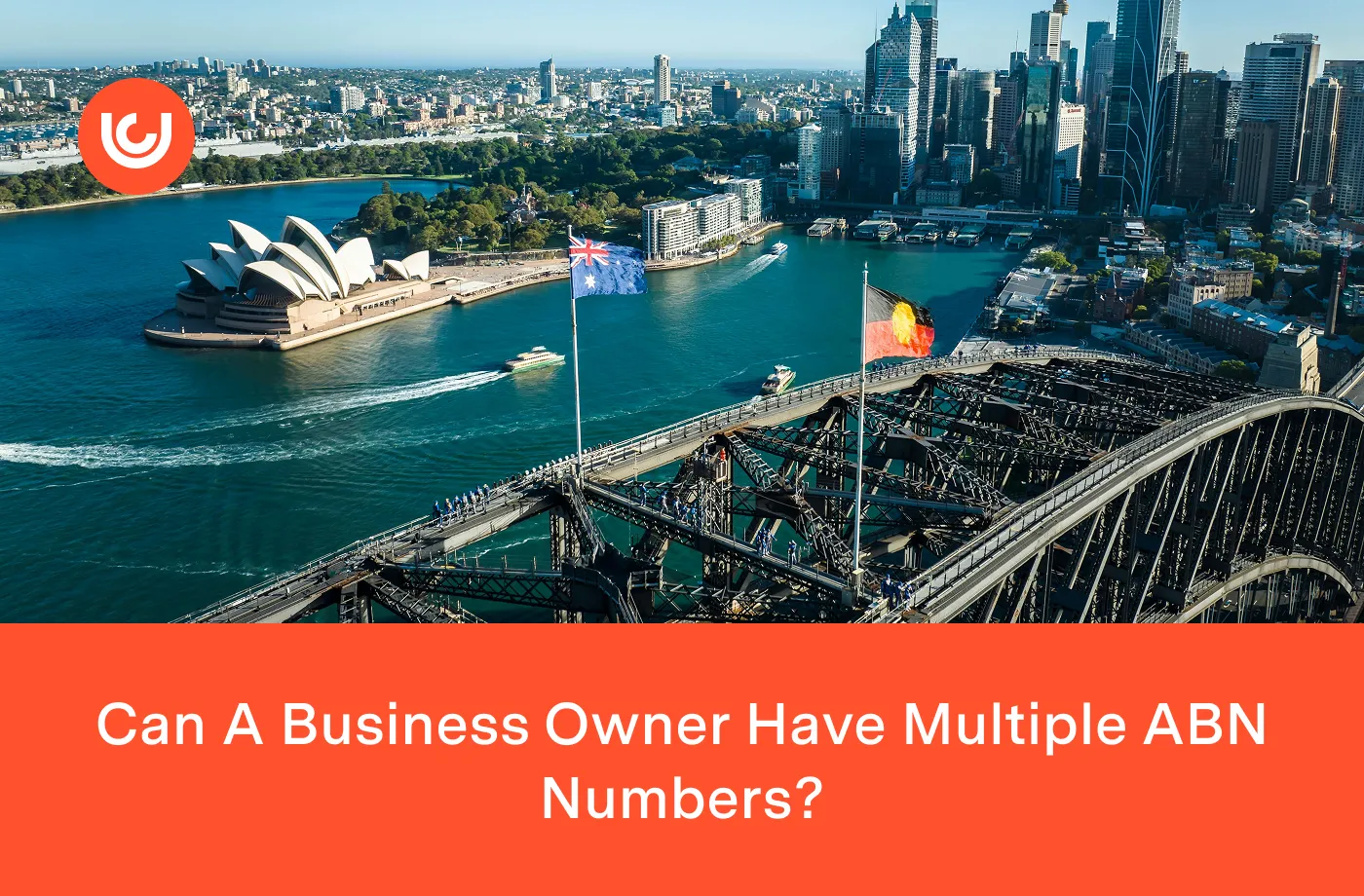
Yes, a business owner can have multiple ABNs, one per legal entity. Each entity can run unlimited businesses. Explained for every structure in Australia.
How to set up a market stall in Australia: types of stall business, what you need, legal requirements, stall fees, and what insurance market stalls need.
Australia has 2.7 million small businesses across 10+ industries. A complete list of the most common types with 2026 ABS data.
Learn how to start a lawn mowing business in Australia: what you need, startup costs, equipment, how to price jobs, what you can earn, and insurance.
Startup business insurance cost in Australia by cover: tech professional indemnity, cyber and public liability prices, plus GST, duty and cost factors.
Social engineering explained: phishing, invoice scams, vishing and smishing, warning signs, prevention steps and how cyber or crime insurance may respond.
From 10 December 2026, some privacy policies must describe automated decision making. See what AI and SaaS vendors may be asked for and what to check.
Insurance for Australian companies with US customers: territorial and jurisdictional limits, how the USA and Canada may differ and what contracts may ask.
AI copyright risk sits in training data, outputs and customer contracts. See how provider terms, your contract and Tech PI or IP insurance fit together.
A contract can promise more than a policy covers. Learn how Tech PI treats breach of contract, indemnities, warranties and liability caps in SaaS deals.
Who is liable when an AI agent acts? See which Tech PI and cyber cover Australian startups may assess and what insurers may ask about agent controls.
Fintech insurance in Australia by licence type: RG 126 professional indemnity, Tech PI, cyber, the digital asset licensing change and partner requests.
Professional indemnity insurance for startups: client contract clauses, standard vs Tech PI, pivots, new ABNs, claims made cover and common exclusions.
Cyber insurance requirements in Australia: the security controls insurers may ask about, the Essential Eight, what to have ready and common exclusions.
IT liability insurance may combine Tech PI with public and products liability. Compare it with cyber and see claims examples and common exclusions.
What cyber insurance actually costs Australian small businesses, from 700+ real policies: starting prices, typical costs by industry, and how to pay less.
Business car insurance is designed for vehicles used for work. Learn when a personal car policy may not respond and how utes, vans and CTP fit in.
Commercial motor and fleet insurance explained: what it may cover, how fleet and single-vehicle policies differ, how CTP fits in and common exclusions.
Commercial vehicle insurance in Australia may cost from around $1,200 a year per vehicle. Indicative ranges, fleet costs and what moves the price.
Commercial vehicle insurance may cover damage, theft, fire and third-party property damage. What is core cover, what is optional, what is separate.
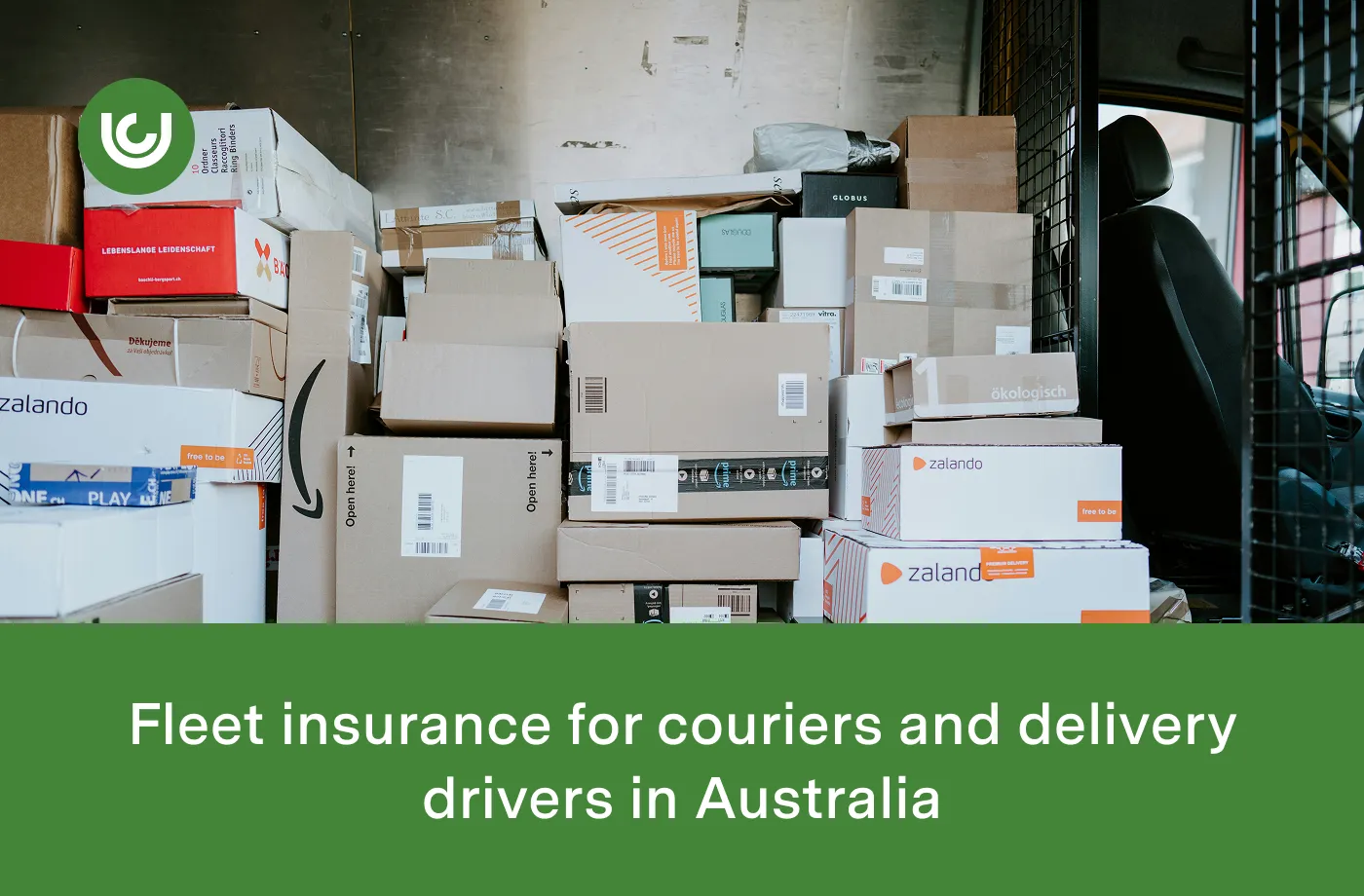
Courier fleet insurance may combine commercial motor, goods in transit and public liability. What courier businesses need, and what to check.
We are digitising commercial insurance and risk management for small, mid-market and technology businesses. We work with a global network of underwriters, challenging legacy brokers and delivering market leading coverage to our customers.