Select how you’d like to proceed with your insurance needs.
Talk to a real insurance expert on your time.
15-minutes consultation with licensed advisors
Perfect if you’re unsure about coverage needs
Get personalised recommendations
Already have coverage? Let’s simplify your service
Keep your current carriers & policies
Simple digital authorisation process
Seamless transition to better service
Before buying cyber insurance, check how the policy responds to BEC, ransomware, sublimits, business interruption, exclusions, and claims support.
A practical guide to small business insurance in Australia, including cover to check for cafes, shops, bakeries, tradies, motels, market stalls and online businesses.
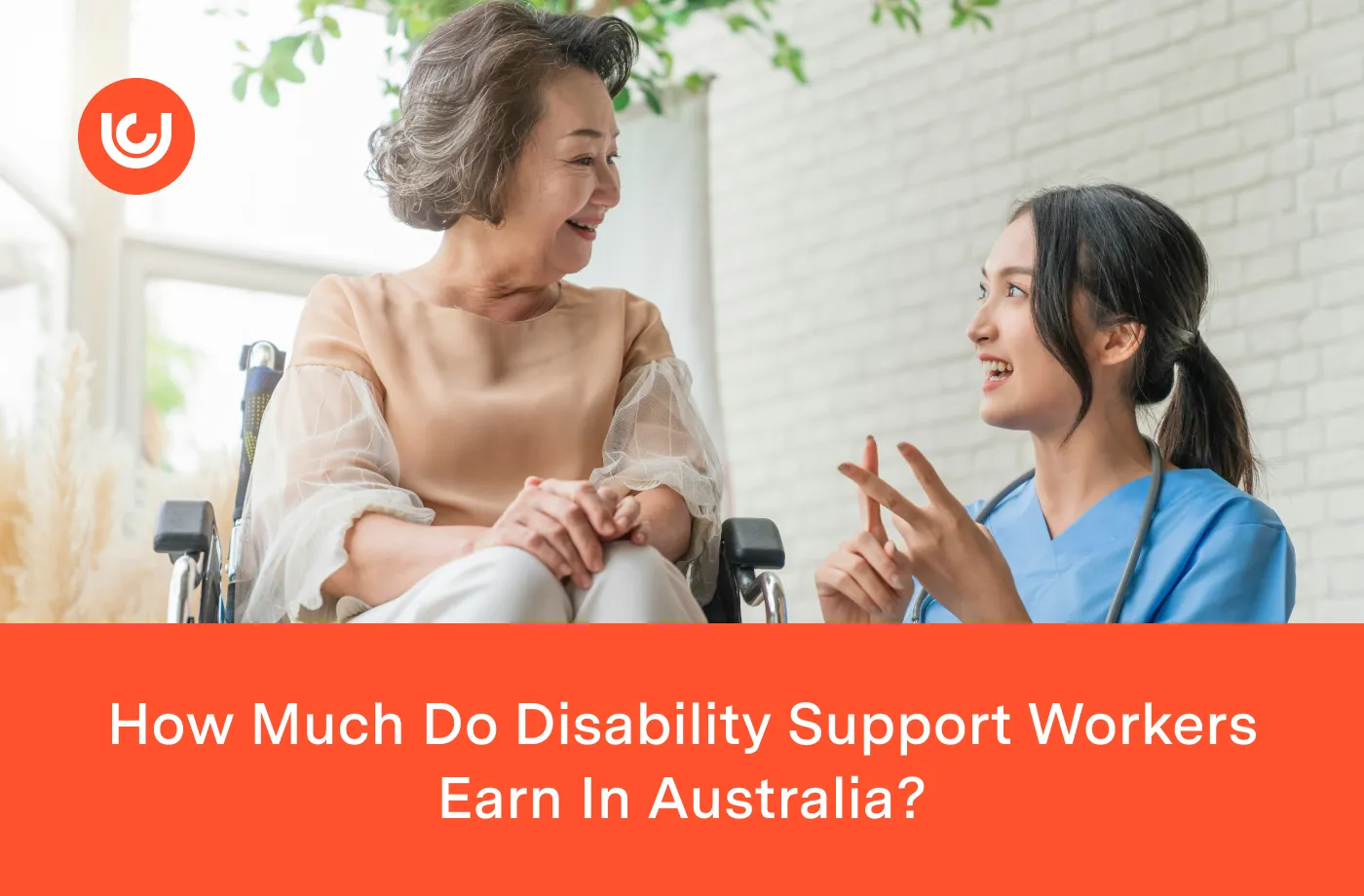
Disability support workers earn $36 to $42 per hour under the SCHADS Award from July 2026. See pay rates by level, state, penalties and platform rates.
The average qualified tradie in Australia earns between $89,000 and $91,000 per year as an employee. Self-employed tradies turn over significantly more ($120,000 to $175,000 gross) but keep between 20% and 38% as net profit after expenses.
The insured vs insured exclusion in D&O insurance for Australian businesses: carve-backs, real-world scenarios, and what to check in your policy.
Management liability bundles D&O with EPL, statutory liability, tax audit, and crime cover for SMEs. Compare D&O standalone with ML for Australian businesses.
What insurance does a handyman need? Public Liability from ~$50/month, state job value limits, what work is restricted, costs by cover level, and common claims explained.
What insurance does a plumber need? PL from ~$80/month, VBA rules for Victoria, tool cover, costs by level, and common plumbing claims explained.
Market stall insurance in Australia from ~$125/year. What cover you need, what markets require, and how to get your certificate instantly.
What insurance do NDIS disability support workers need? PL, PI, personal accident, cyber. Registered vs unregistered. Costs from ~$420/yr.
What insurance do electricians need in Australia? PL required for licensed contractors in some states. Check state rules, QLD consumer protection, tools, costs, and claims.
In most Australian contexts, employers liability insurance refers to workers compensation. What it covers, state schemes, and the gaps.
Cafe insurance commonly pairs public and products liability with a business pack for stock, glass and equipment. See what councils and leases ask for.
To get public liability insurance online, request a quote, answer questions about your business, check the policy, then get your certificate of currency.
Contractor public liability insurance explained: why clients and head contractors ask for it, certificates of currency, contract clauses and common limits.
Public indemnity insurance is not a standard policy name. People usually mean public liability or professional indemnity. See which one fits your work.
Indemnity insurance is an umbrella term for business covers such as professional indemnity. See each type, who requires it and what it may not cover.
What insurance does a restaurant need? Workers' compensation, public liability, business packs and the limits councils may ask for, with sources.
What cyber insurance actually costs Australian small businesses, from 700+ real policies: starting prices, typical costs by industry, and how to pay less.
Business interruption insurance explained: the business pack section, what it may cover, the indemnity period, common exclusions and records for a claim.
Public liability insurance for carpenters starts from around $58 per month. Check what may affect the price, how limits, excess and paying monthly work and the details to have ready for a quote.
What affects the cost of business insurance in Australia, and how limits, excess, sum insured, paying monthly and a business pack may change the premium.
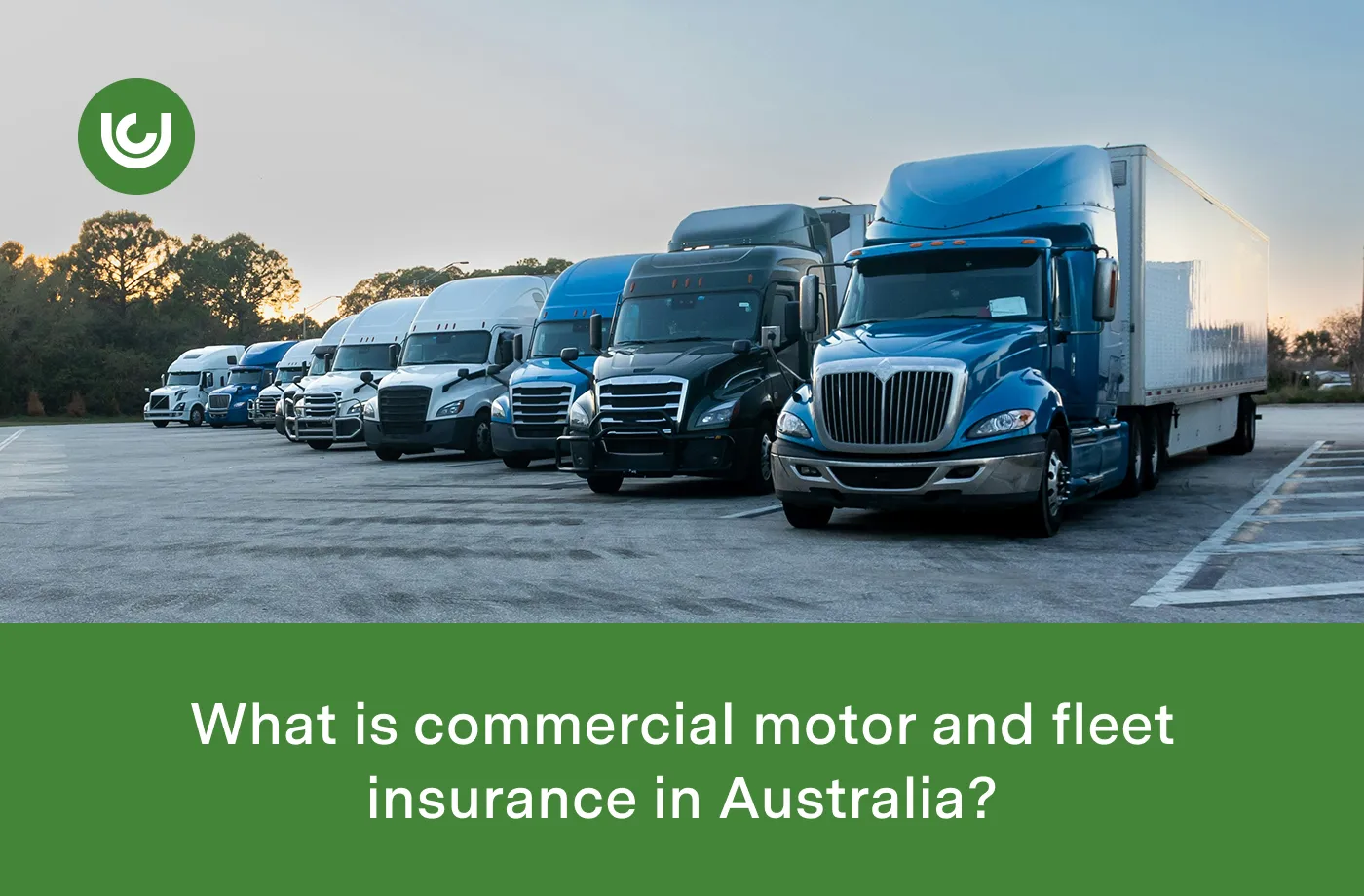
Commercial motor and fleet insurance explained: what it may cover, how fleet and single-vehicle policies differ, how CTP fits in and common exclusions.
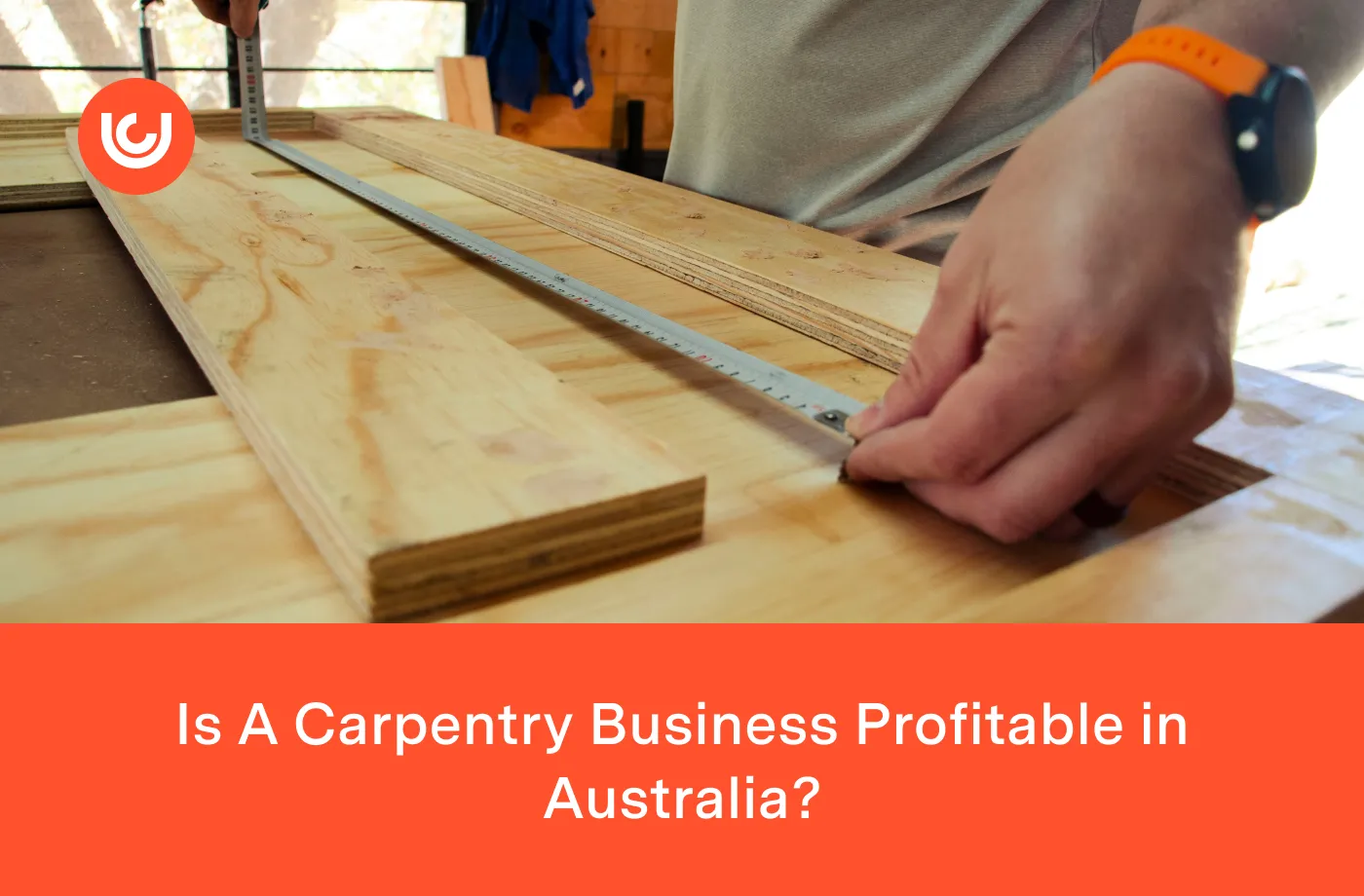
A solo carpenter brings in $138,000 to $230,000 a year in revenue. That assumes 3 to 5 billable days a week at an average of $1,000 invoiced per day, over 46 working weeks.
Social engineering explained: phishing, invoice scams, vishing and smishing, warning signs, prevention steps and how cyber or crime insurance may respond.
From 10 December 2026, some privacy policies must describe automated decision making. See what AI and SaaS vendors may be asked for and what to check.
Insurance for Australian companies with US customers: territorial and jurisdictional limits, how the USA and Canada may differ and what contracts may ask.
AI copyright risk sits in training data, outputs and customer contracts. See how provider terms, your contract and Tech PI or IP insurance fit together.
A contract can promise more than a policy covers. Learn how Tech PI treats breach of contract, indemnities, warranties and liability caps in SaaS deals.
Who is liable when an AI agent acts? See which Tech PI and cyber cover Australian startups may assess and what insurers may ask about agent controls.
Fintech insurance in Australia by licence type: RG 126 professional indemnity, Tech PI, cyber, the digital asset licensing change and partner requests.
How much does startup business insurance cost in Australia? See "from" prices by cover for tech businesses, what moves a quote and what a price includes.
Professional indemnity insurance for startups: client contract clauses, standard vs Tech PI, pivots, new ABNs, claims made cover and common exclusions.
Cyber insurance requirements in Australia: the security controls insurers may ask about, the Essential Eight, what to have ready and common exclusions.
IT liability insurance may combine Tech PI with public and products liability. Compare it with cyber and see claims examples and common exclusions.
What cyber insurance actually costs Australian small businesses, from 700+ real policies: starting prices, typical costs by industry, and how to pay less.
Business car insurance is designed for vehicles used for work. Learn when a personal car policy may not respond and how utes, vans and CTP fit in.
Commercial motor and fleet insurance explained: what it may cover, how fleet and single-vehicle policies differ, how CTP fits in and common exclusions.
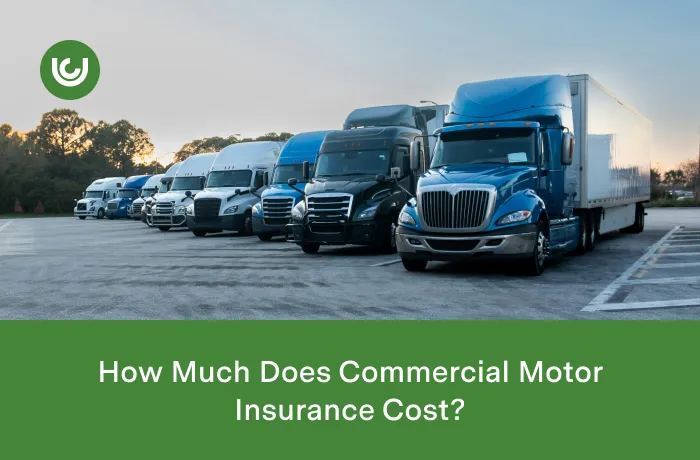
Commercial vehicle insurance in Australia may cost from around $1,200 a year per vehicle. Indicative ranges, fleet costs and what moves the price.
Commercial vehicle insurance may cover damage, theft, fire and third-party property damage. What is core cover, what is optional, what is separate.
Courier fleet insurance may combine commercial motor, goods in transit and public liability. What courier businesses need, and what to check.
We are digitising commercial insurance and risk management for small, mid-market and technology businesses. We work with a global network of underwriters, challenging legacy brokers and delivering market leading coverage to our customers.