Select how you’d like to proceed with your insurance needs.
Talk to a real insurance expert on your time.
15-minutes consultation with licensed advisors
Perfect if you’re unsure about coverage needs
Get personalised recommendations
Already have coverage? Let’s simplify your service
Keep your current carriers & policies
Simple digital authorisation process
Seamless transition to better service
Flexible business insurance for fluctuating risks in Australia usually means modular cover with mid-term adjustments. How to change cover as your business changes.
Lower commercial insurance premiums by bundling policies, adjusting your excess, improving safety records and reviewing your cover at every renewal.
Business insurance is complicated because most businesses need multiple policies, each with its own wording, renewal and claims process. Six causes and what to do about them.
Startup founder insurance explained: personal director duties, what D&O may cover, common exclusions, D&O vs management liability, and when growing companies assess it.
Learn when a startup should assess insurance in Australia, from first client work and data collection to hiring, premises, enterprise contracts and funding.
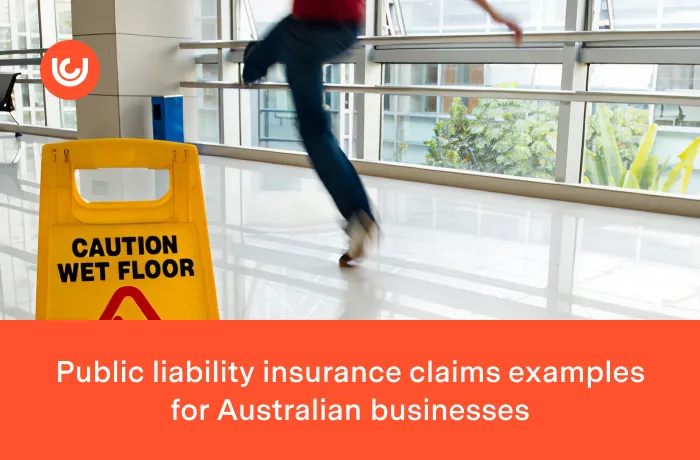
Public liability claim examples for Australian businesses: check claims related to slips, property damage, worksite incidents and product injuries, plus what to do after an incident.
Compare public liability and products liability insurance, including what each may cover, common exclusions and why businesses often arrange both together.
Claims-made insurance responds to claims notified during the policy. Occurrence cover follows when the incident happened. See key differences.
Mobile plant insurance may cover excavators, bobcats, skid steers and attachments against theft, rollover, fire and transit risks. See what to check first.
See what mobile plant insurance may cover, including theft, accidental damage, fire, transit and attachments, plus exclusions and optional extensions.
Mobile plant and equipment insurance may cover excavators, loaders and machinery against theft, fire, accidental damage and transit risks. See the guide.
Australian medical malpractice claim examples: diagnosis, medication, consent, referrals and AHPRA complaints, plus why claims may not be covered.
NDIS support worker insurance from $30-$40/month depending on practice type, what drives your premium, how to reduce it, and the vehicle cover gap.
Yes, therapists need public liability insurance in Australia. Check what it covers, real claim examples, cost ranges, and how to bundle with PI for full cover.
Do you need public liability insurance? Quick answers by profession. What PL covers, what it costs, and who requires a Certificate of Currency.
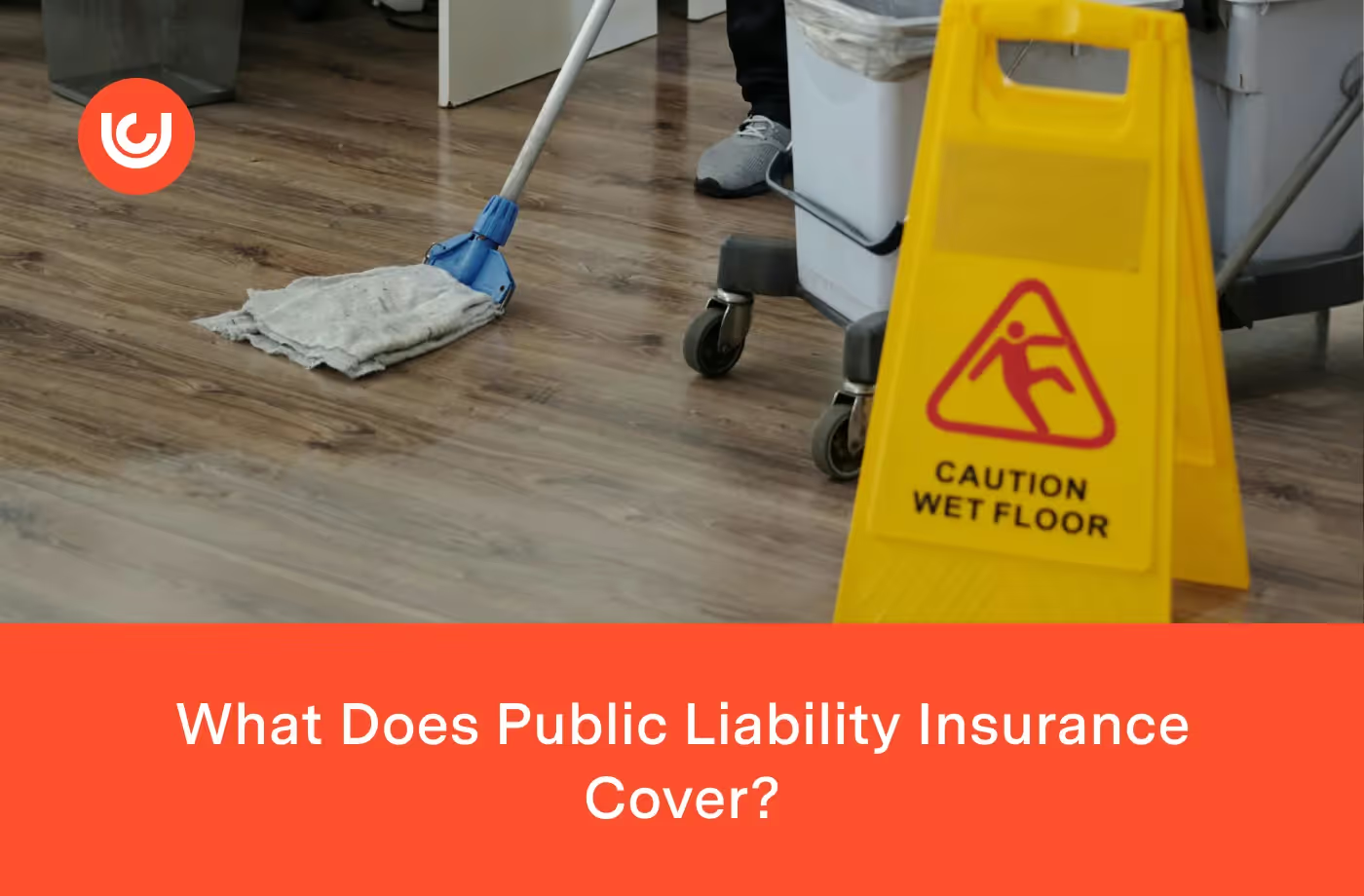
What does public liability insurance cover? Learn what is covered, standard policy exclusions, typical costs, and required limits for Australian businesses.
How much does a landscaping business owner make in Australia? Employee vs owner income, service-mix pricing, licensing by state, and insurance costs.
Australian cleaners earn $25.85/hr (Award), $33-$35/hr (market average) or $35-$55/hr as business owners. Rates by city, penalty rates and service type.
Do I need to add GST to my invoice? Only if GST-registered. The $75K threshold, tax invoice vs regular invoice, quoting rules, and the insurance ITC explained.
Can you change your ABN from sole trader to company? No. You need a new ACN and ABN. The ASIC steps, tax traps, and insurance updates explained.
Yes, you can get an Australian Business Number (ABN) on a working holiday visa if you plan to work as a sole trader, freelancer, or contractor during your stay.
Yes. Australian company directors face personal liability for unpaid tax, unfair dismissal, WHS breaches, and insolvent trading. Real costs and insurance.
Many low-value, non-structural handyman tasks may not require a trade licence, but licensing rules vary by state and by work type.
The difference comes down to three things: the qualification level, the scope of services each can legally perform, and the insurance risk profile. A beautician works on the surface. A beauty therapist works deeper into the skin and body.
Startup business insurance cost in Australia by cover: tech professional indemnity, cyber and public liability prices, plus GST, duty and cost factors.
Social engineering explained: phishing, invoice scams, vishing and smishing, warning signs, prevention steps and how cyber or crime insurance may respond.
From 10 December 2026, some privacy policies must describe automated decision making. See what AI and SaaS vendors may be asked for and what to check.
Insurance for Australian companies with US customers: territorial and jurisdictional limits, how the USA and Canada may differ and what contracts may ask.
AI copyright risk sits in training data, outputs and customer contracts. See how provider terms, your contract and Tech PI or IP insurance fit together.
A contract can promise more than a policy covers. Learn how Tech PI treats breach of contract, indemnities, warranties and liability caps in SaaS deals.
Who is liable when an AI agent acts? See which Tech PI and cyber cover Australian startups may assess and what insurers may ask about agent controls.
Fintech insurance in Australia by licence type: RG 126 professional indemnity, Tech PI, cyber, the digital asset licensing change and partner requests.
Professional indemnity insurance for startups: client contract clauses, standard vs Tech PI, pivots, new ABNs, claims made cover and common exclusions.
Cyber insurance requirements in Australia: the security controls insurers may ask about, the Essential Eight, what to have ready and common exclusions.
IT liability insurance may combine Tech PI with public and products liability. Compare it with cyber and see claims examples and common exclusions.
What cyber insurance actually costs Australian small businesses, from 700+ real policies: starting prices, typical costs by industry, and how to pay less.
Business car insurance is designed for vehicles used for work. Learn when a personal car policy may not respond and how utes, vans and CTP fit in.
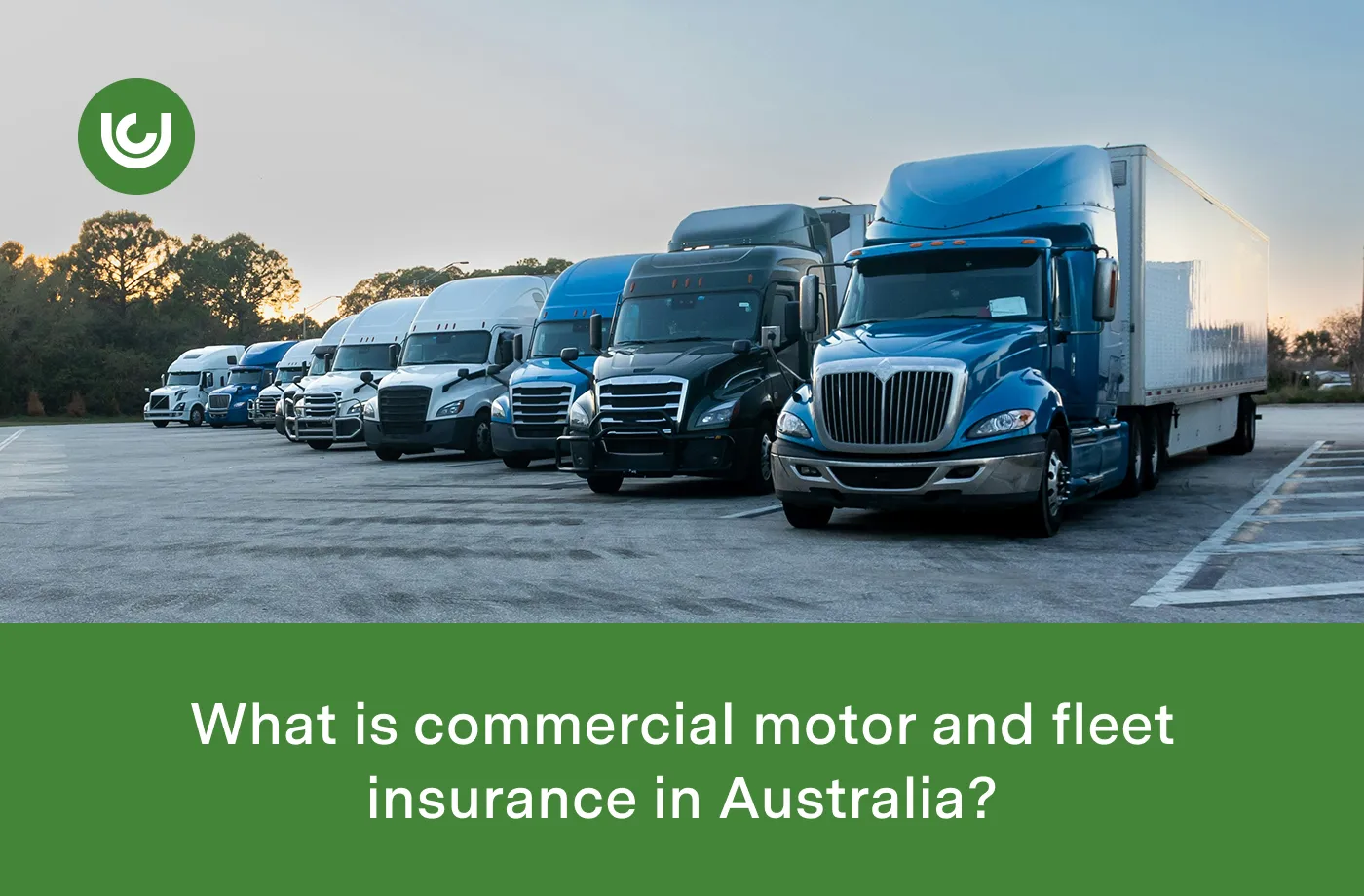
Commercial motor and fleet insurance explained: what it may cover, how fleet and single-vehicle policies differ, how CTP fits in and common exclusions.
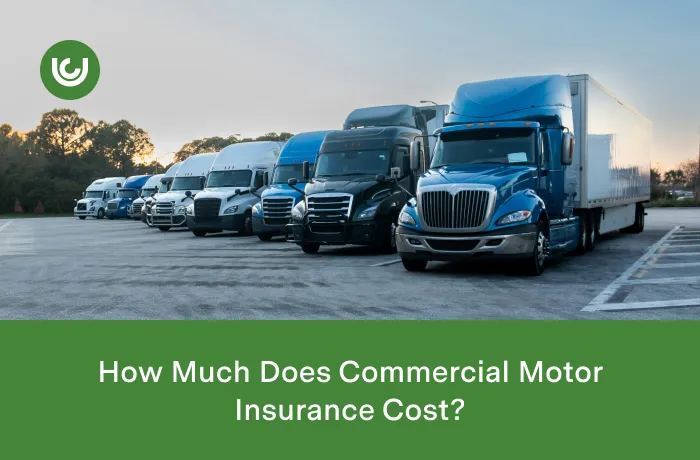
Commercial vehicle insurance in Australia may cost from around $1,200 a year per vehicle. Indicative ranges, fleet costs and what moves the price.
Commercial vehicle insurance may cover damage, theft, fire and third-party property damage. What is core cover, what is optional, what is separate.
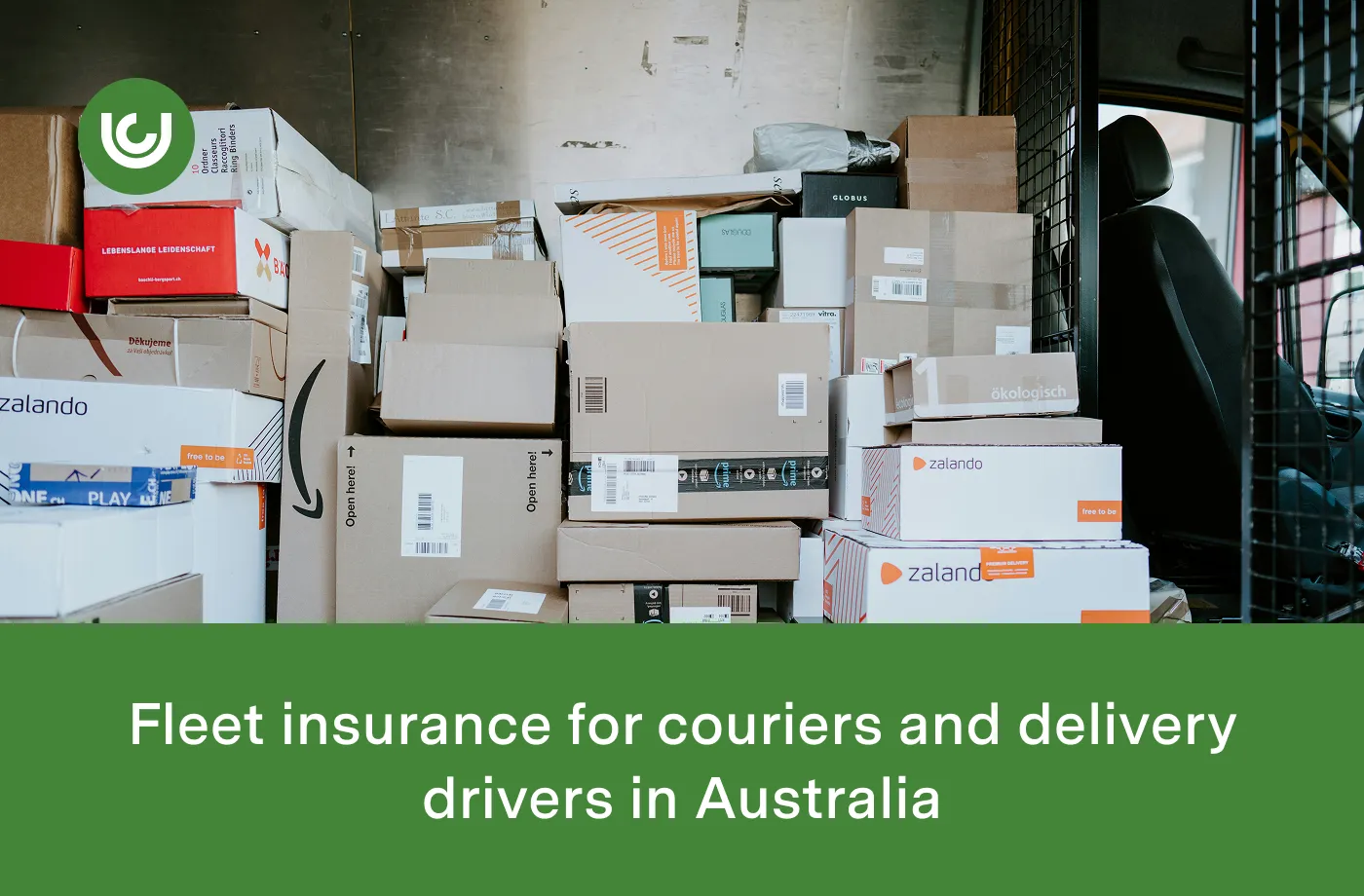
Courier fleet insurance may combine commercial motor, goods in transit and public liability. What courier businesses need, and what to check.
We are digitising commercial insurance and risk management for small, mid-market and technology businesses. We work with a global network of underwriters, challenging legacy brokers and delivering market leading coverage to our customers.