Select how you’d like to proceed with your insurance needs.
Talk to a real insurance expert on your time.
15-minutes consultation with licensed advisors
Perfect if you’re unsure about coverage needs
Get personalised recommendations
Already have coverage? Let’s simplify your service
Keep your current carriers & policies
Simple digital authorisation process
Seamless transition to better service
Flexible business insurance for fluctuating risks in Australia usually means modular cover with mid-term adjustments. How to change cover as your business changes.
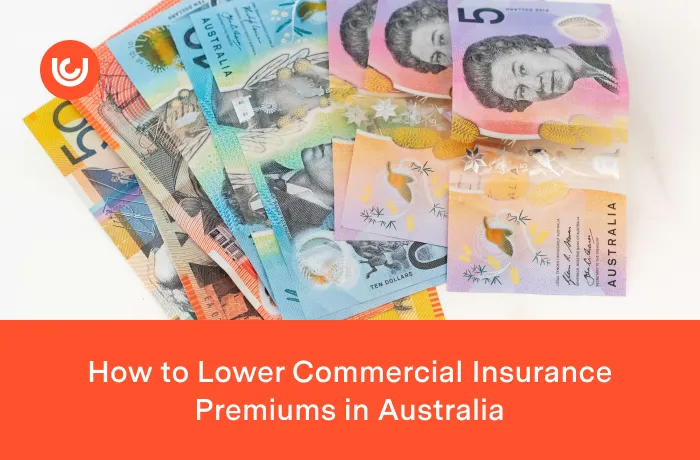
Lower commercial insurance premiums by bundling policies, adjusting your excess, improving safety records and reviewing your cover at every renewal.
Business insurance is complicated because most businesses need multiple policies, each with its own wording, renewal and claims process. Six causes and what to do about them.
Tools of trade insurance for tradies. What electricians, plumbers, carpenters, and handymen should check about ute theft, specified tools, and claims.
Startup insurance due diligence: what investors may review before funding, which documents to prepare, Directors and Officers cover, cyber evidence and deal-ready timing.
Fintech startup insurance in Australia explained: RG 126 PI, cyber, crime, Tech PI and D&O. See how it differs from general startup insurance Australia and business insurance for tech startups.
Startup founder insurance explained: personal director duties, what D&O may cover, common exclusions, D&O vs management liability, and when growing companies assess it.
Startup business insurance costs in Australia between $80 and $1,500 per month depending on their needs: check typical ranges by cover type and stage, what drives the premium.
Professional indemnity insurance covers startups against financial loss claims from clients. It's often required by contracts or for licensing.
What insurance does a software or SaaS startup need in Australia? Tech PI, cyber, contractual risk, cost drivers and common mistakes, by growth stage.
Learn when a startup should assess insurance in Australia, from first client work and data collection to hiring, premises, enterprise contracts and funding.
Public liability claim examples for Australian businesses: check claims related to slips, property damage, worksite incidents and product injuries, plus what to do after an incident.
30+ examples of sole trader businesses in Australia across trades, creative, professional services, health, retail, cleaning, food, and education.
The complete guide to small business insurance in Australia. What is legally required, what is practically required, what each type costs, and what your business actually needs.
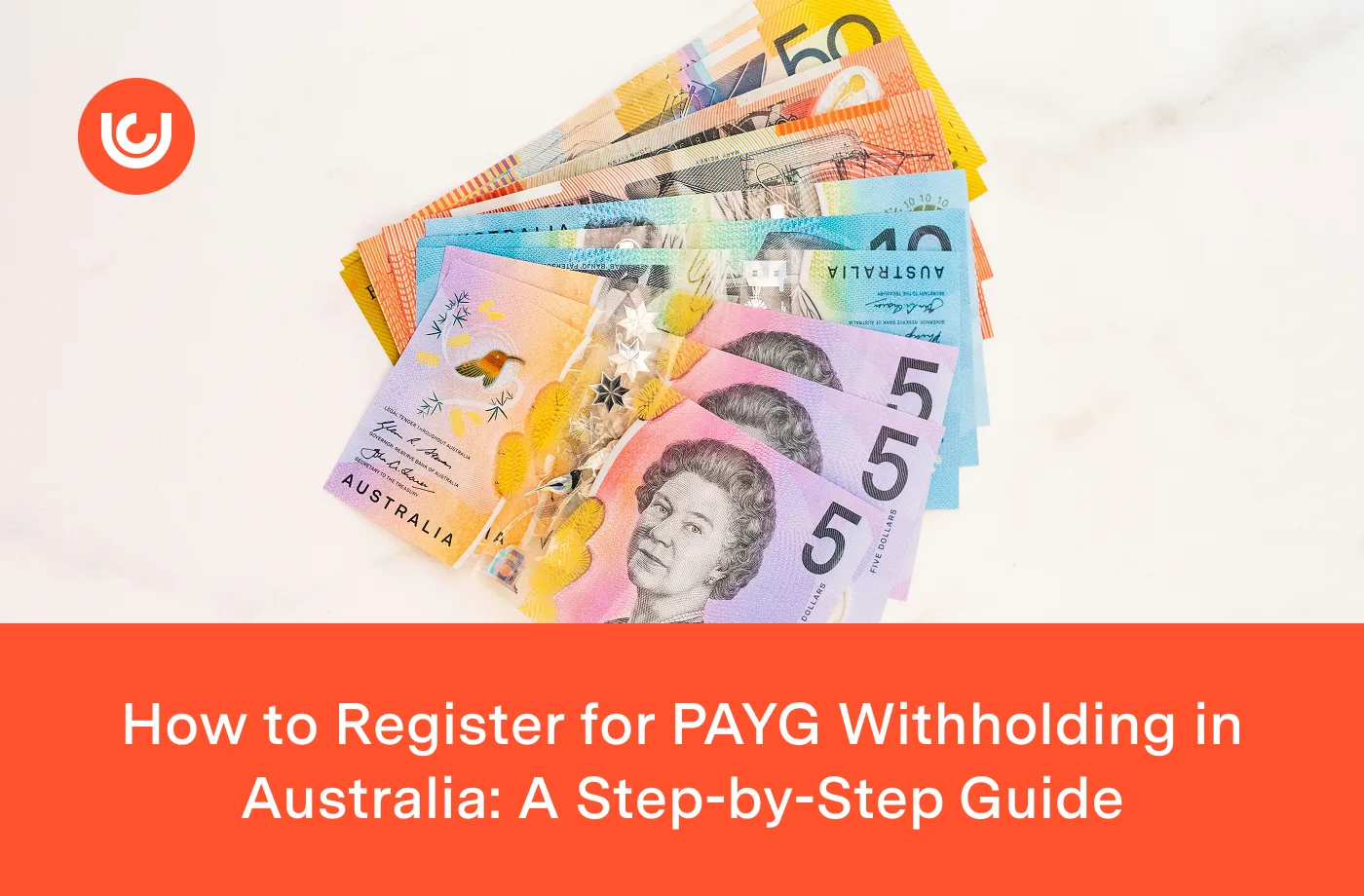
A step-by-step guide to PAYG withholding registration in Australia. Who needs to register, how to register via myGovID, STP obligations, and what happens if you don't.
A step-by-step guide to starting a plumbing business in Australia. Covers licensing, startup costs, business structure, insurance, and how to find your first clients.
Real income figures for carpet cleaning businesses in Australia. Solo operators, small businesses, and what extra services actually add to your carpet cleaning business income.
The complete guide to sole trader insurance in Australia. What tradies, consultants, allied health, beauty, and online businesses each need, and why your personal assets are at risk without it.
Personal trainer insurance explained. Public liability, professional indemnity, gym coverage gaps, outdoor and online settings, industry body requirements, and what it costs in Australia.
Healthcare is Australia's most breached sector. A guide to cyber insurance in healthcare for medical practices, allied health, hospitals, and eHealth companies.
Everything Australian electricians need to know about public liability insurance, from what it may cover to licensing requirements by state.
From cyber security threats to public liability claims, here are the biggest risks in the retail industry and how the right insurance cover may help protect your business.
Does your employer insurance meet NMBA rules? Compare nurse indemnity cover, AHPRA investigation protection, and 2026 costs from $40/mo.
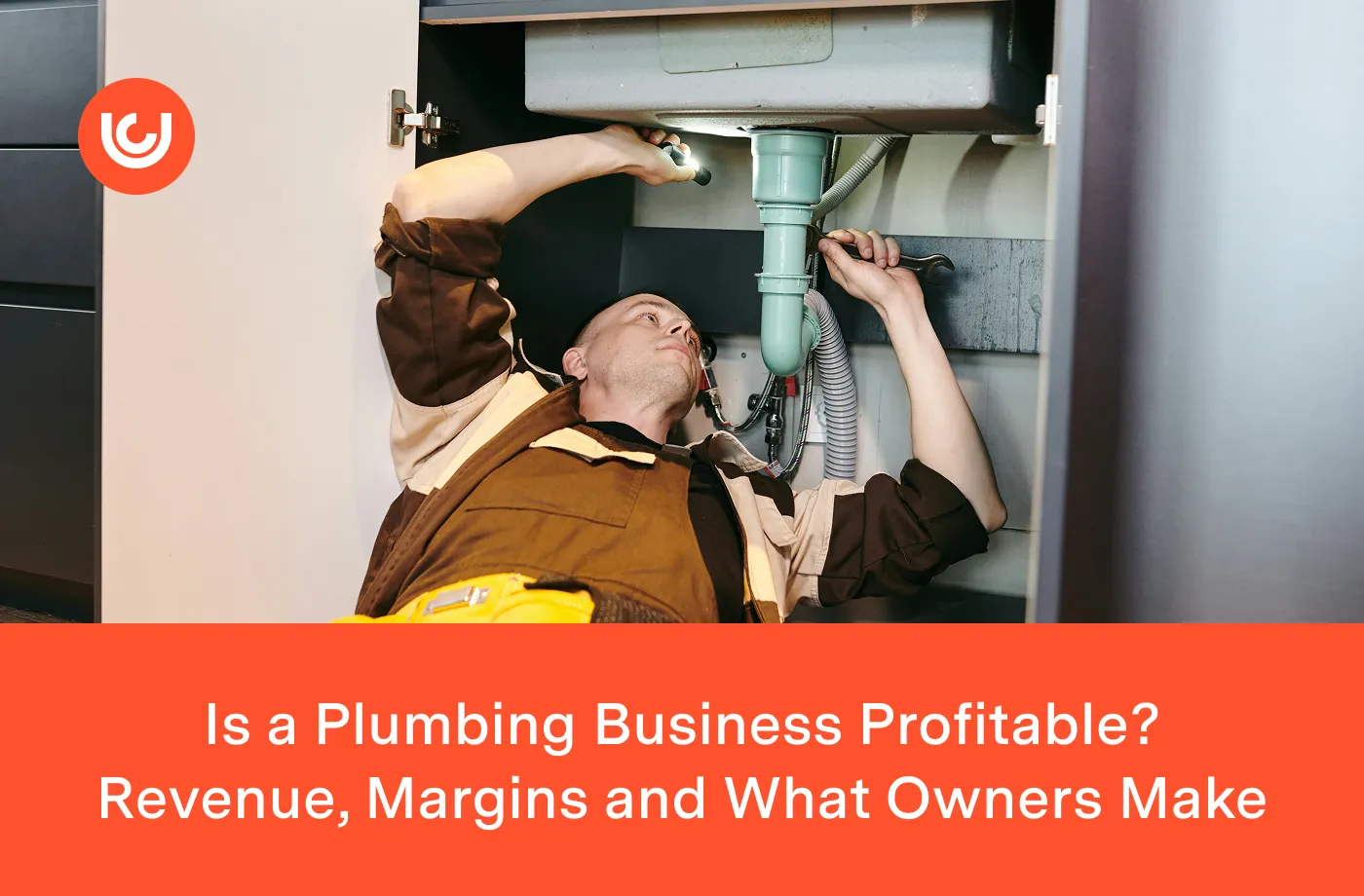
If you're thinking of starting a plumbing business you're probably wondering whether or not there's profit to be made?
How much D&O insurance does your startup need? Explore typical limits from $1M for bootstrapped to $5M+ for Series A. Protect your board & get a fast quote.
A letter of appointment lets you switch insurance brokers for your existing policies. See what changes, who signs it, and how to switch to upcover.
A certificate of currency proves your business insurance is active. See what it shows, what it doesn't, and get yours instantly with upcover.
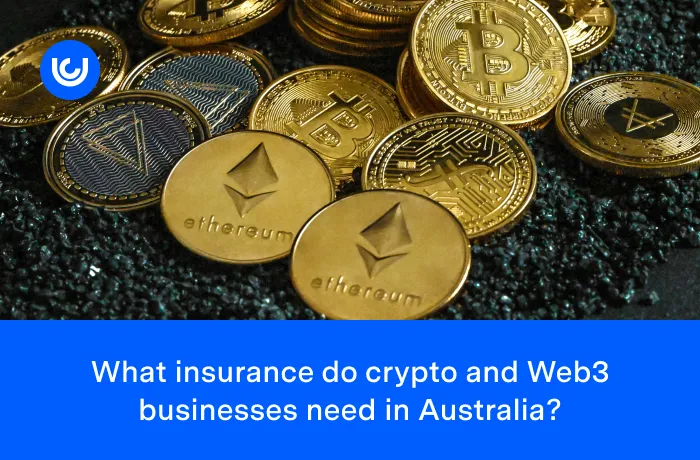
Crypto insurance Australia: compare technology PI, cyber, crime and custody cover, digital asset exclusions, AUSTRAC, AFSL checks and costs.
Hardware startup insurance Australia: why PI won't cover your product, plus recall deadlines, prototype gaps, compliance and costs.
Clean tech insurance Australia: compare cover for solar, batteries, installation, advice and project risks, plus costs and exclusions.
AI startup insurance Australia: compare cover for model errors, cyber, IP, AI agents and automated decisions, plus costs and exclusions.
MSP and IT services insurance in Australia: privileged access, aggregation risk, cyber and tech E&O. What underwriters check before quoting.
Health tech insurance in Australia turns on one question: is your software a medical device? TGA classification, cover, exclusions and costs.
Startup insurance due diligence: what investors may review before funding, which documents to prepare, Directors and Officers cover, cyber evidence and deal-ready timing.
Fintech startup insurance in Australia explained: RG 126 PI, cyber, crime, Tech PI and D&O. See how it differs from general startup insurance Australia and business insurance for tech startups.
Startup founder insurance explained: personal director duties, what D&O may cover, common exclusions, D&O vs management liability, and when growing companies assess it.
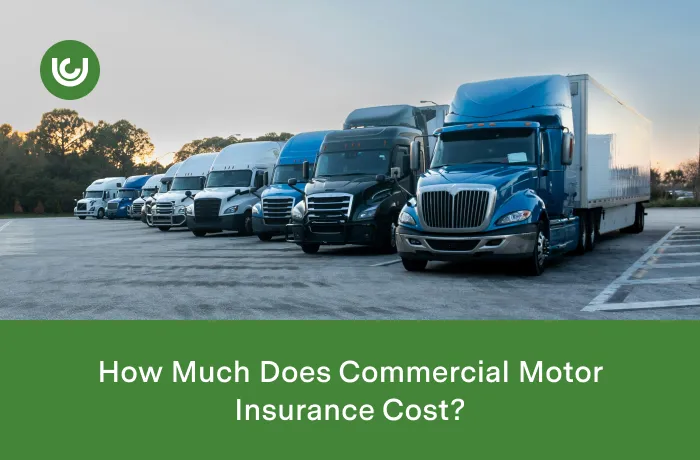
Commercial vehicle insurance in Australia may cost from around $1,200 a year per vehicle. Indicative ranges, fleet costs and what moves the price.
Commercial vehicle insurance may cover damage, theft, fire and third-party property damage. What is core cover, what is optional, what is separate.
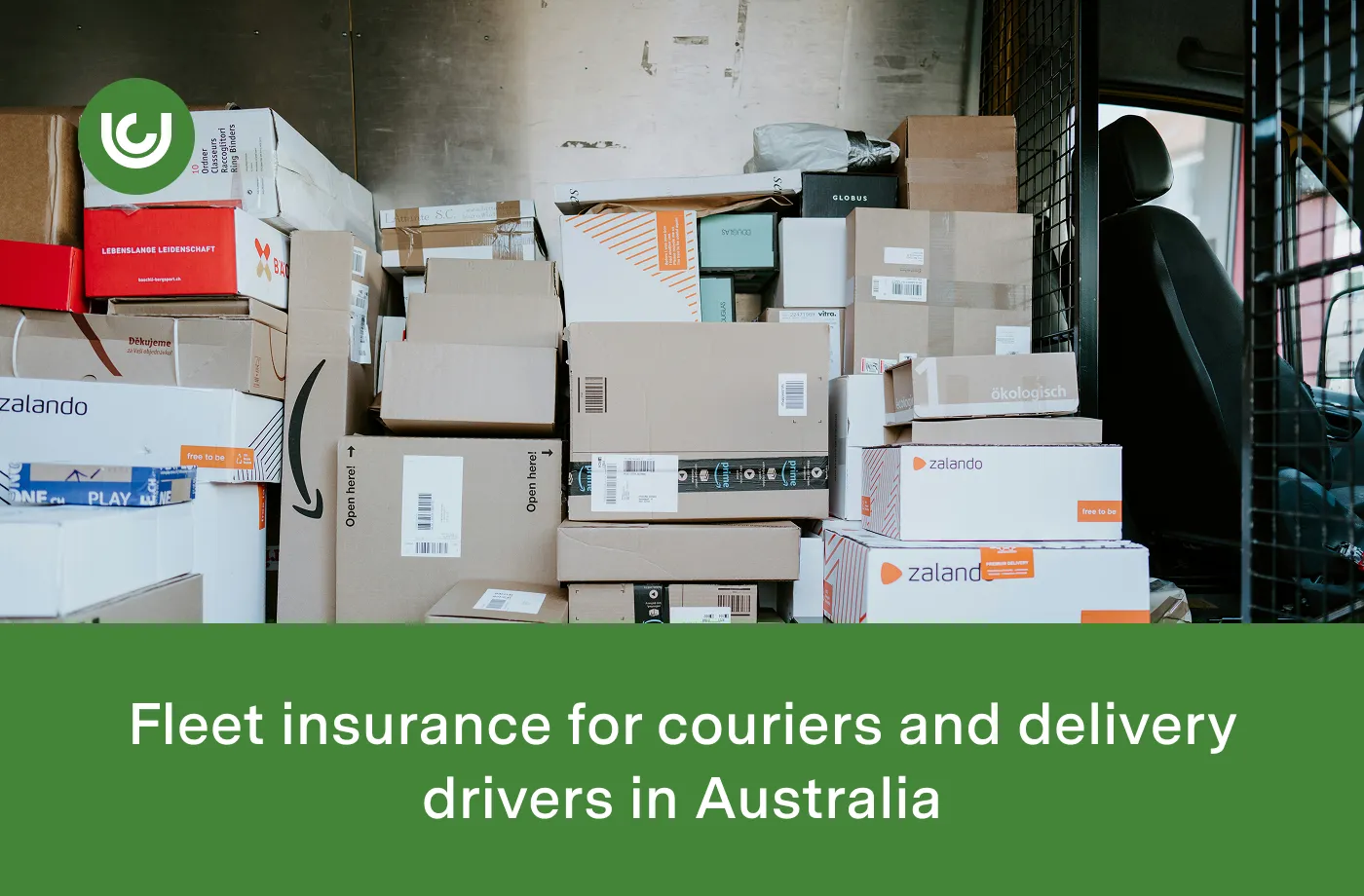
Courier fleet insurance may combine commercial motor, goods in transit and public liability. What courier businesses need, and what to check.
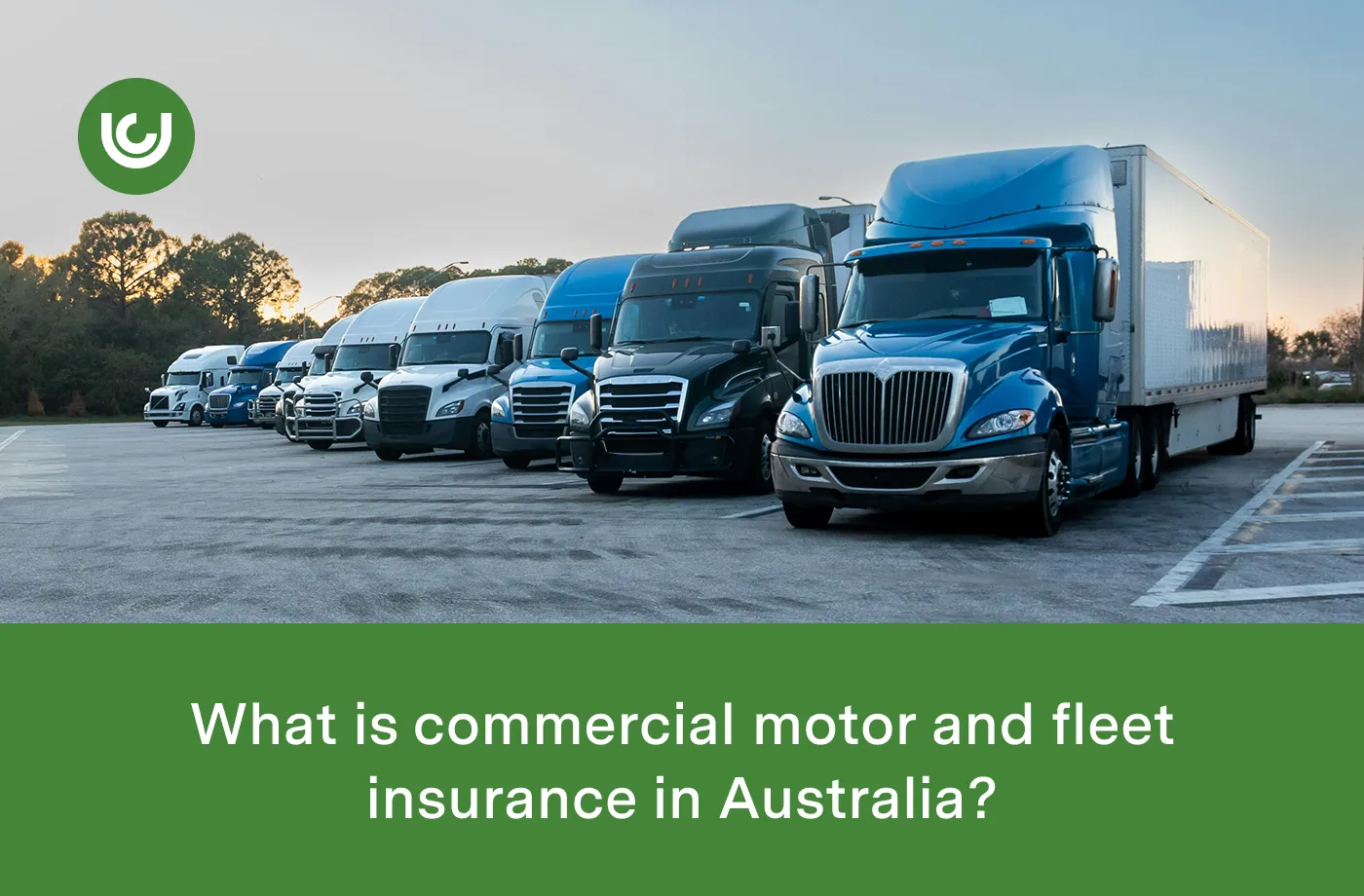
Fleet vehicle insurance is commercial motor cover for multiple vehicles. How it works, how many vehicles count as a fleet, and what it may and may not cover.
We are digitising commercial insurance and risk management for small, mid-market and technology businesses. We work with a global network of underwriters, challenging legacy brokers and delivering market leading coverage to our customers.